The Mathematics Department is committed to enhancing students’ mathematical abilities and literacy. Our teachers flexibly integrate e-learning, tiered worksheets, and contextualized learning materials, while incorporating AI-assisted tools where appropriate, to fully support students of all abilities. To further develop students’ potential, the school offers “Junior Form Mathematical Olympiad Training Courses” and “Senior Form Mathematics Advanced Classes.” Furthermore, to cater for students with additional learning needs, we run after-school remedial classes taught by our teachers. These classes help students consolidate their learning and boost their confidence.
Additionally, we actively promote a wide range of activities to cultivate students’ logical thinking and increase their interest in Mathematics. Beyond organizing various school activities such as Mathematics Week, the Mathematics Society’s T-Puzzle Challenge, and fascinating mathematics quizzes, we encourage students to participate in external competitions and related workshops. These include the Hong Kong Mathematics Olympiad, the Hong Kong Mathematical High Achievers Selection Contest and the Mathematical Modelling Competition. Our students have consistently performed exceptionally well, achieving excellent results. Last academic year alone, our students received over one hundred awards in external competitions, fully demonstrating the effectiveness of our Mathematics education.
-
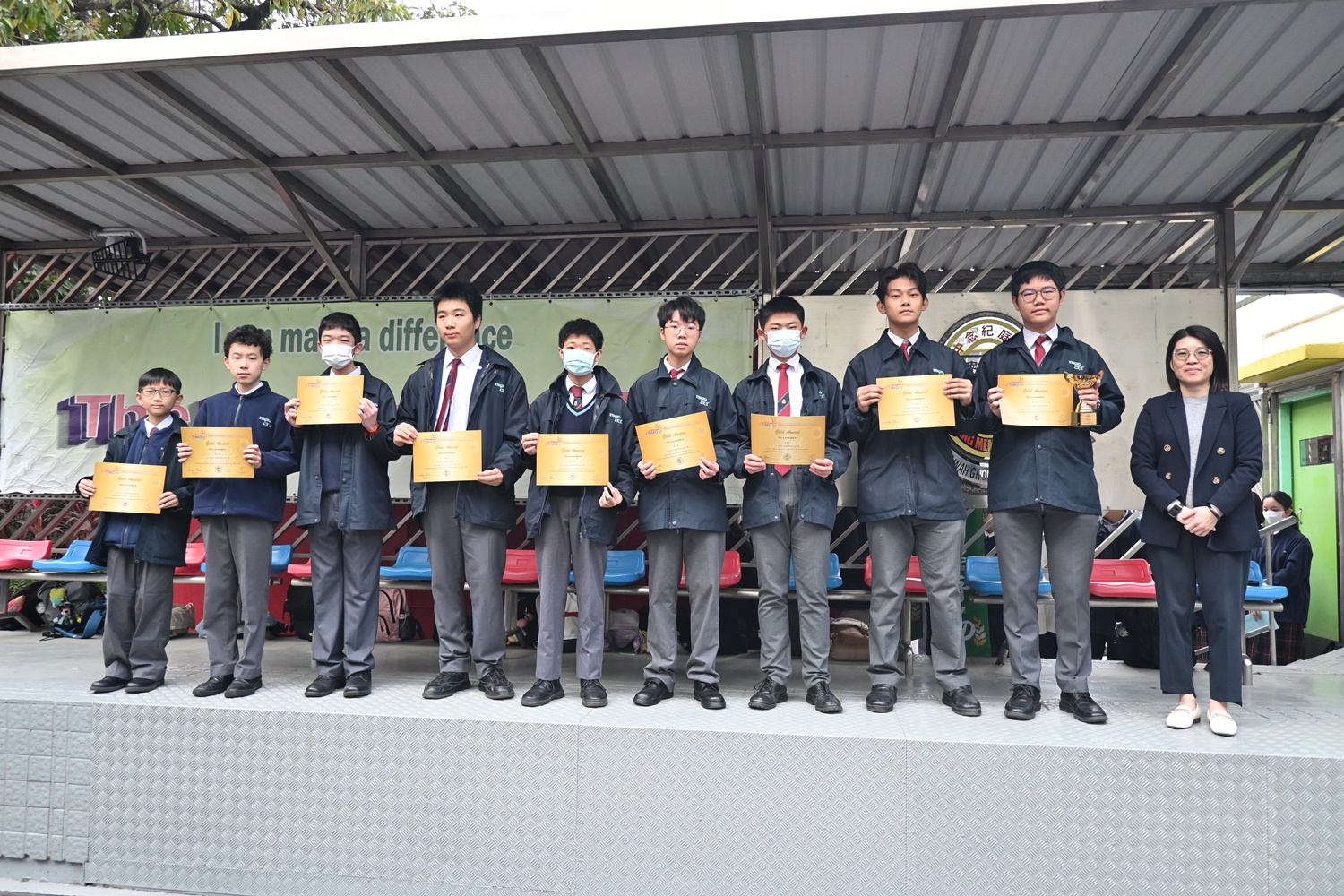
Students receive prizes in individual and team categories at Mathematics Olympiad competitions
-
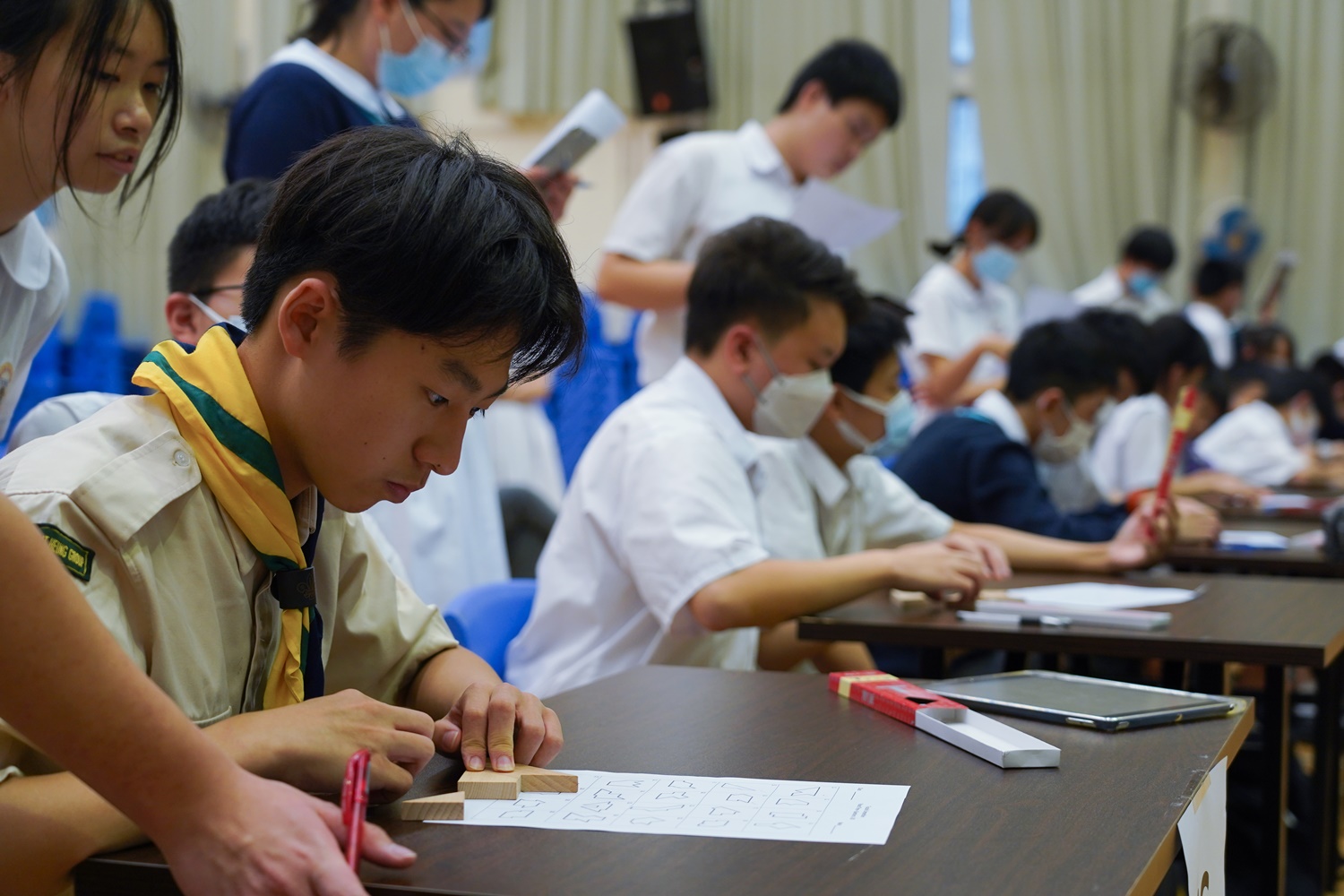
T-Puzzle Competition
-
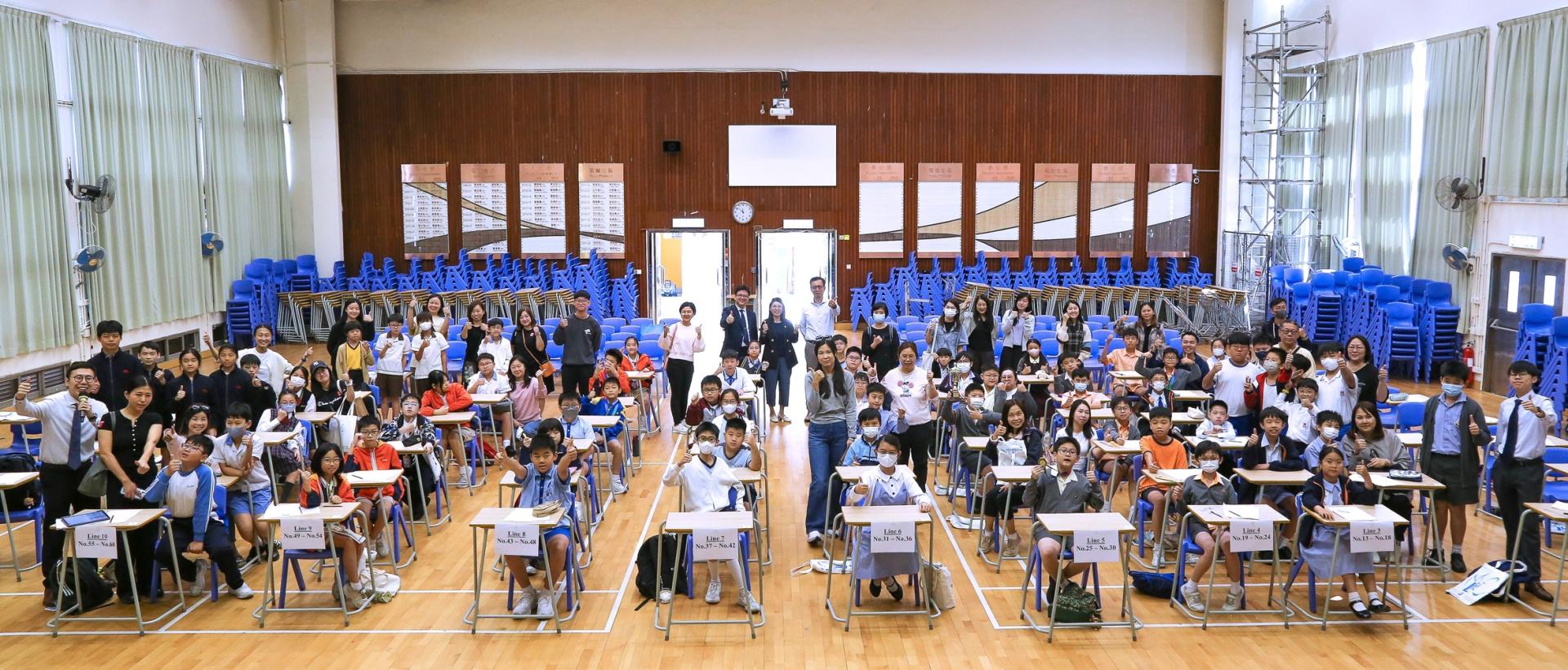
Lo Kon Ting Cup Primary School Mathematics Elite Invitational Contest
-
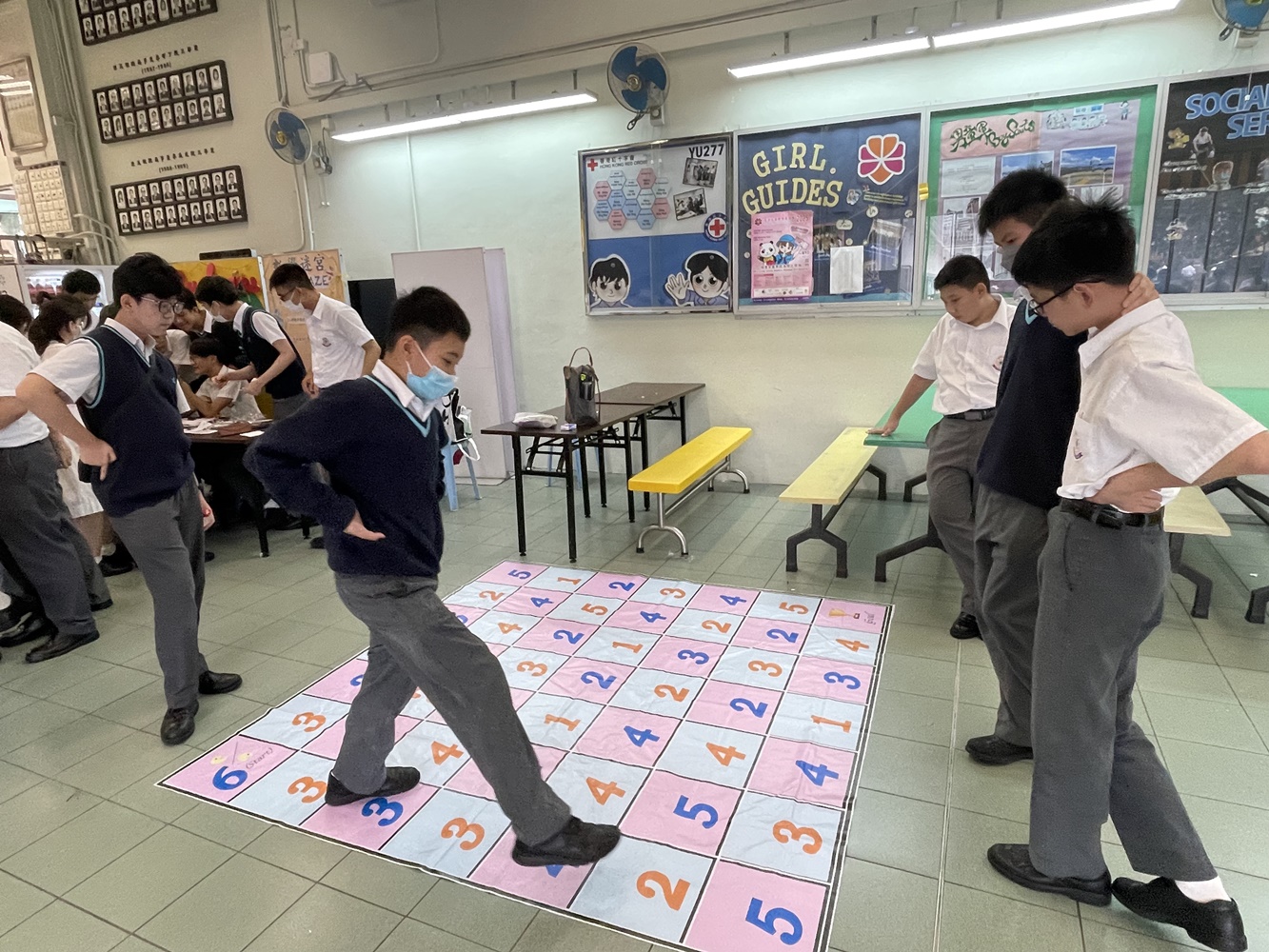
Students work together to escape the maths maze!
-
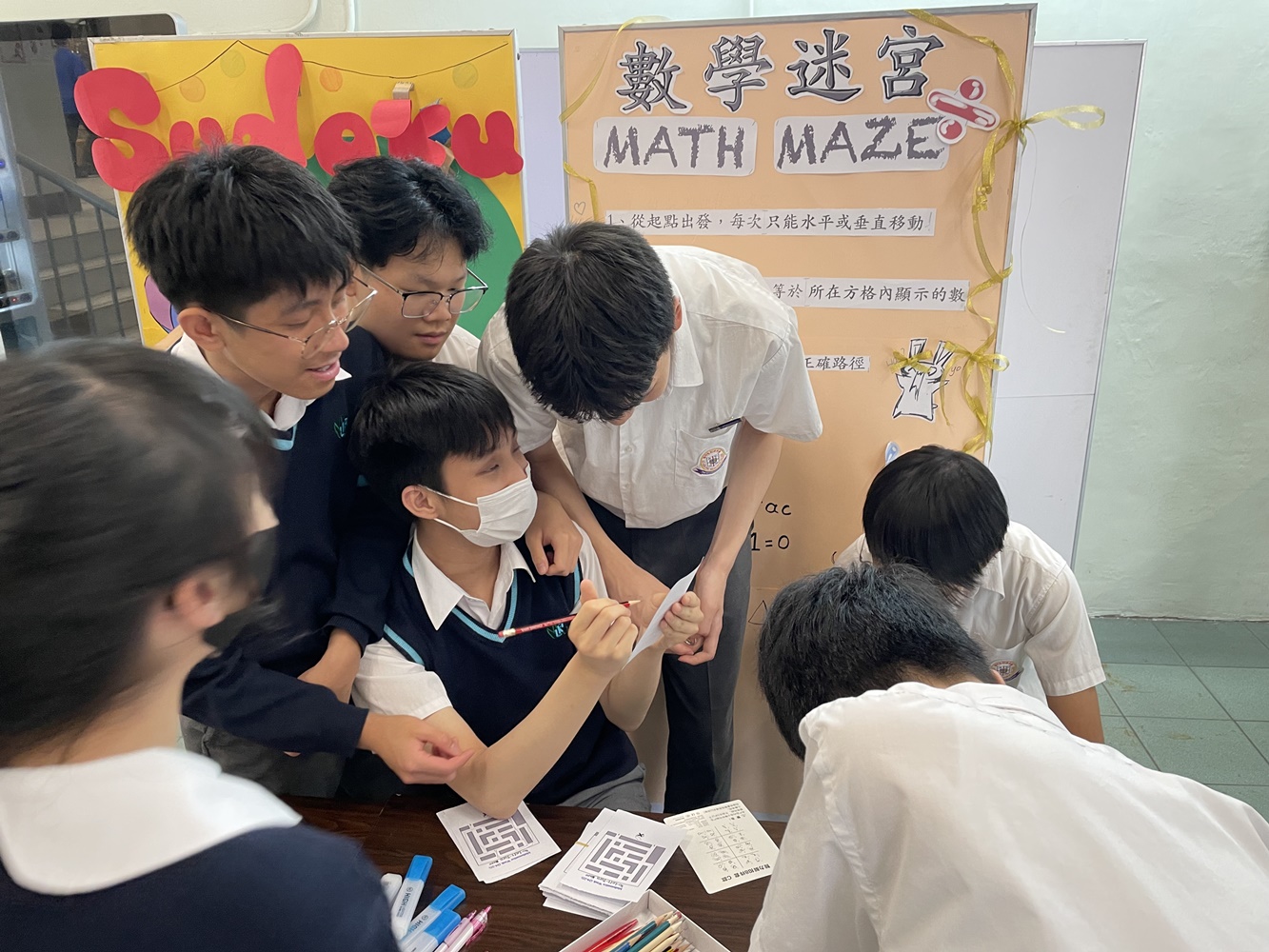
Maths Week Game Booths
-
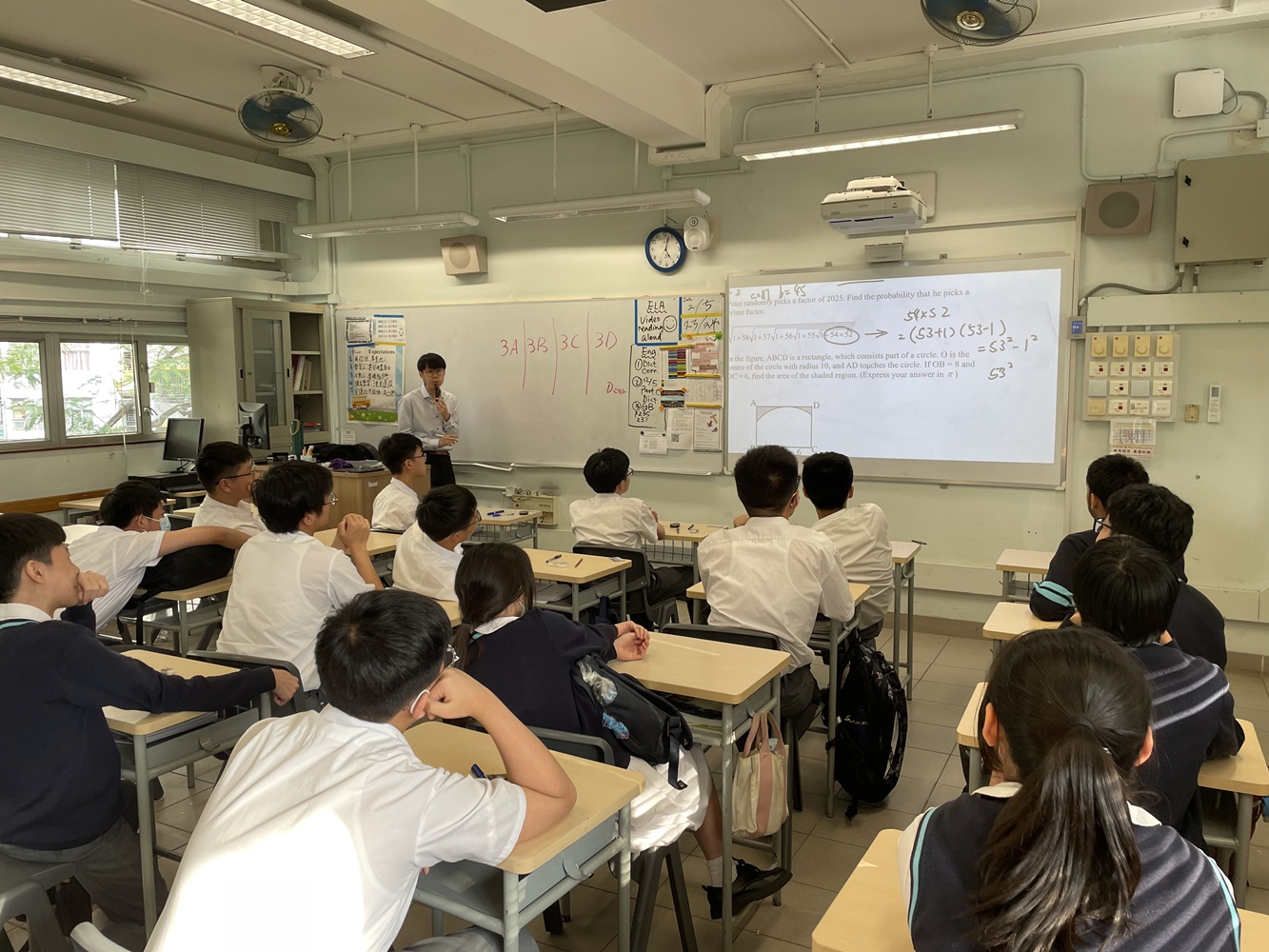
After-school Maths classes for advanced and remedial learners.
-
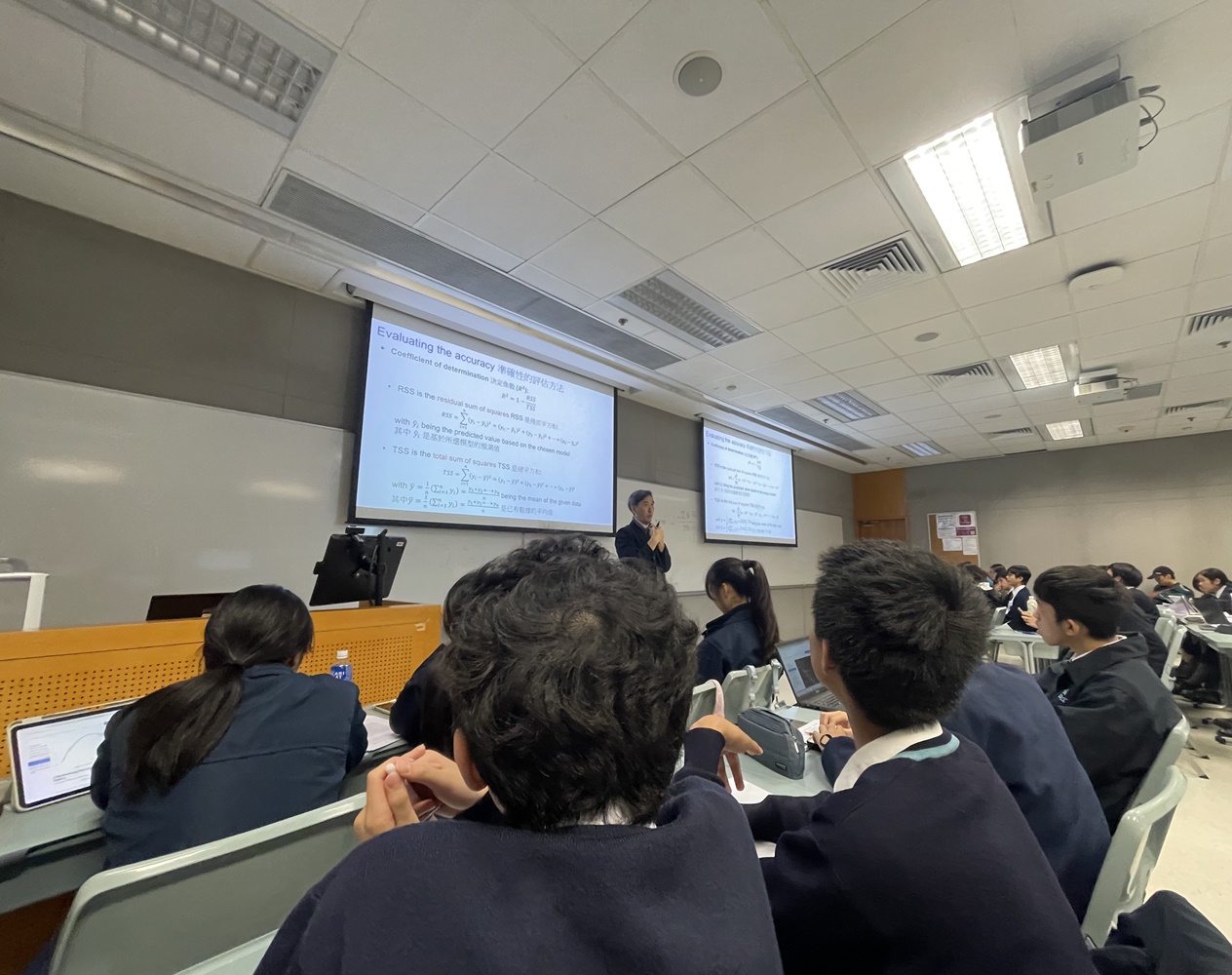
Students attend a mathematical modeling lecture at The Chinese University of Hong Kong.