Challenging and Supportive Learning Environment
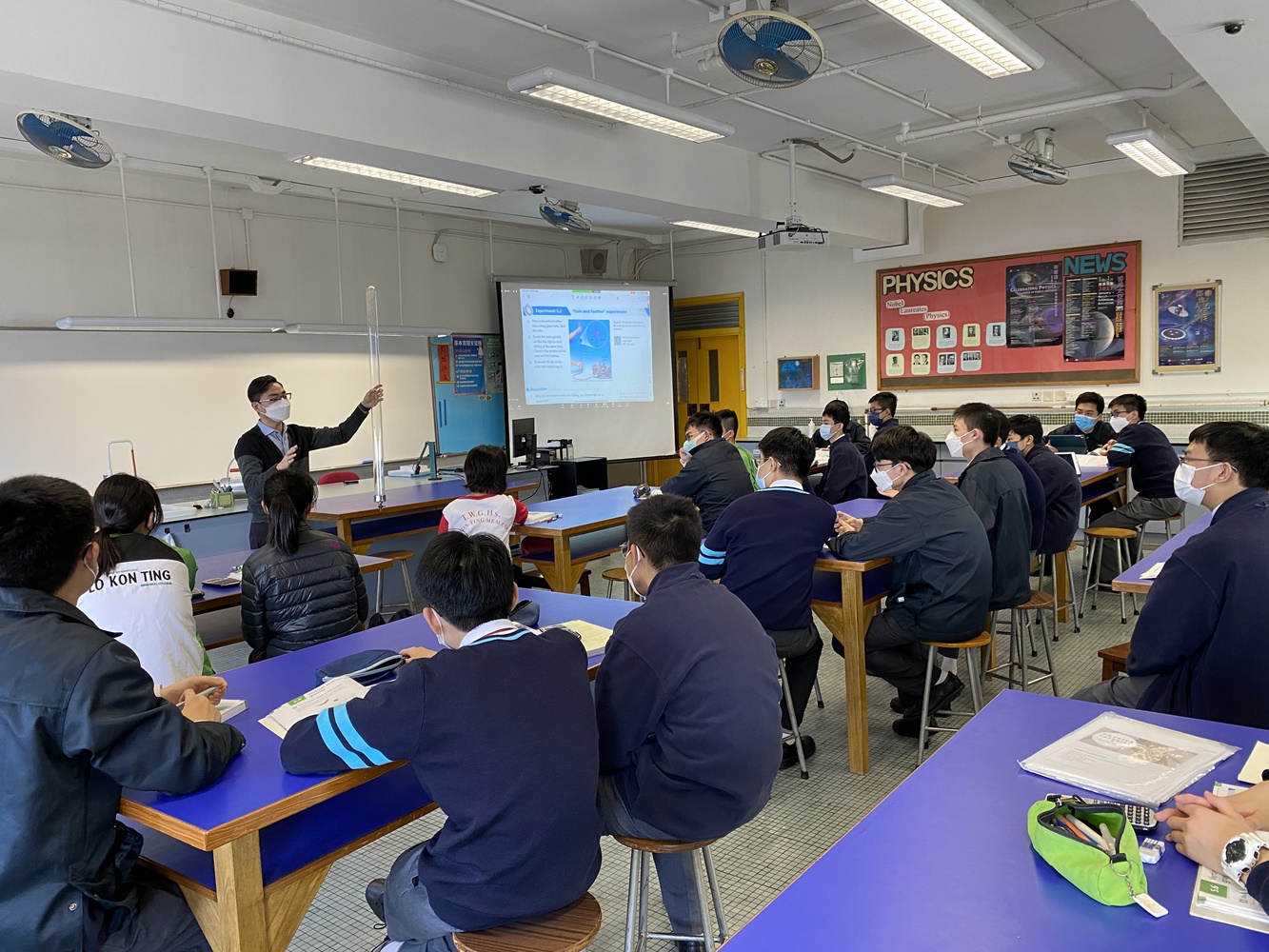
Our school’s science education aims to foster curiosity and interest in science, encouraging active student participation in a challenging yet supportive learning environment. We hold high expectations for our students' learning attitudes and capabilities, inspiring them to engage in deeper learning and inquiry. By fostering analytical skills and logical thinking, we aim to lay a solid foundation for their future academic pursuits and careers.
Catering for Learner Differences
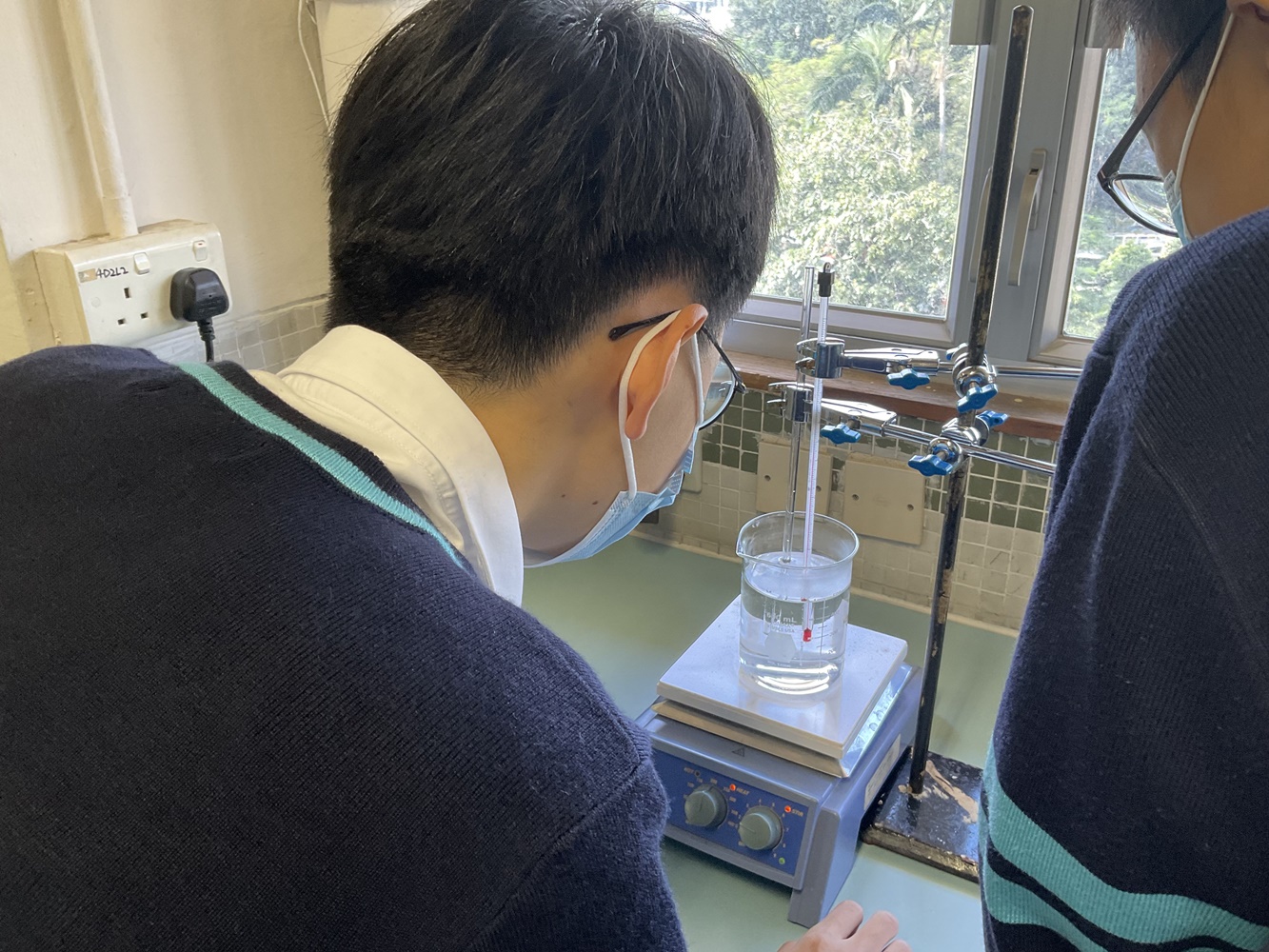
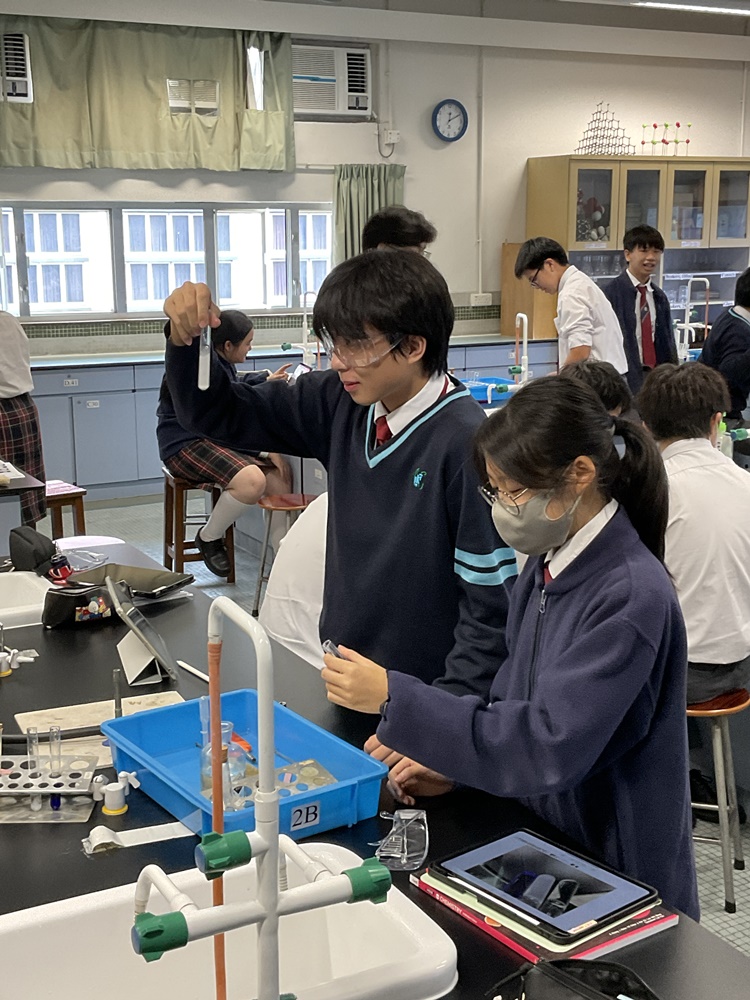
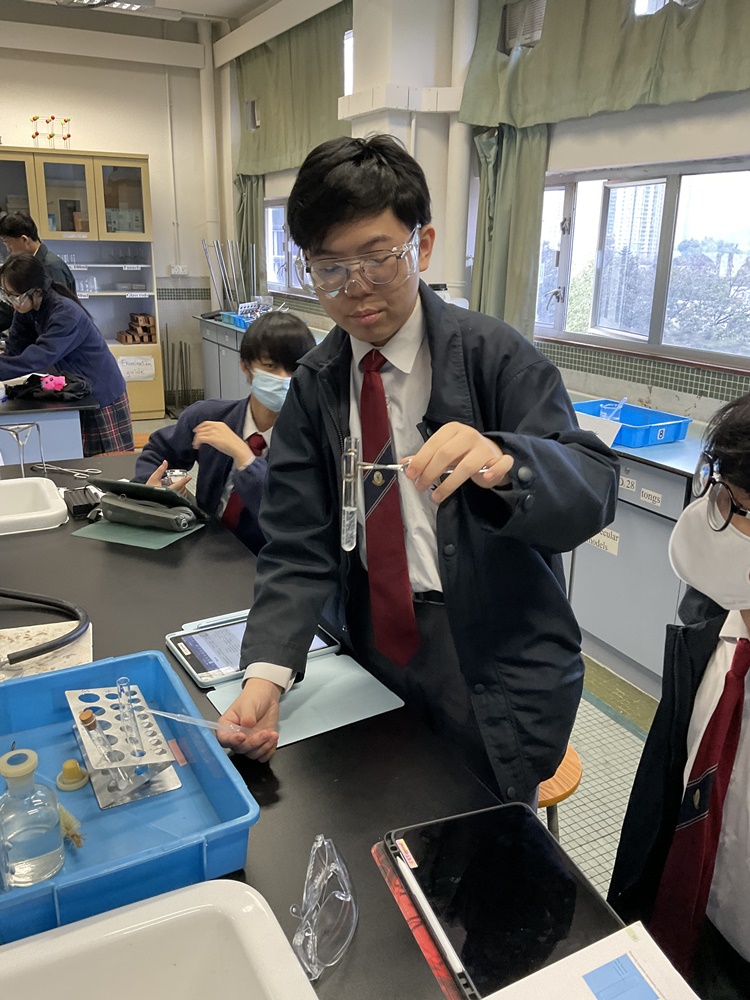
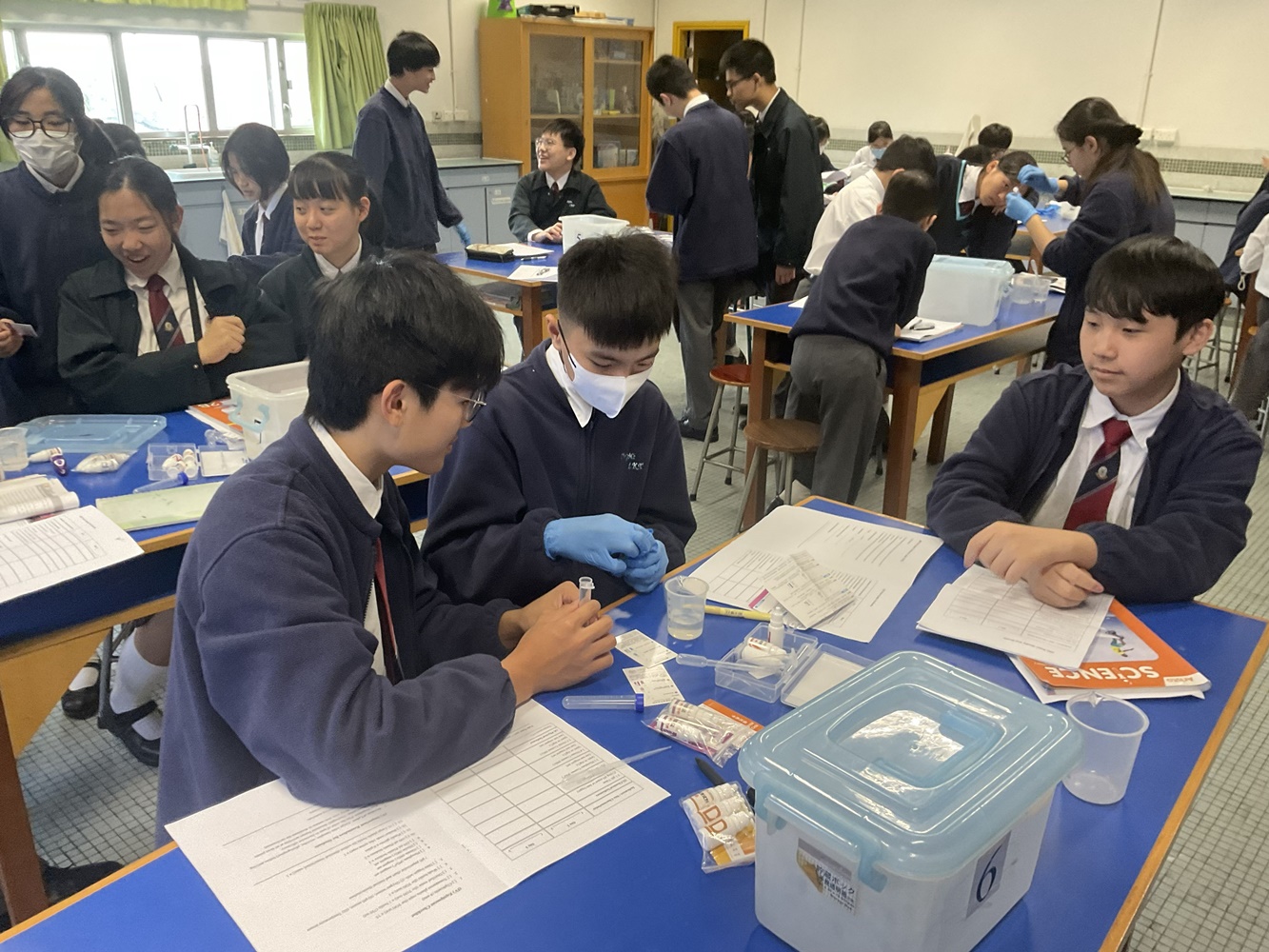
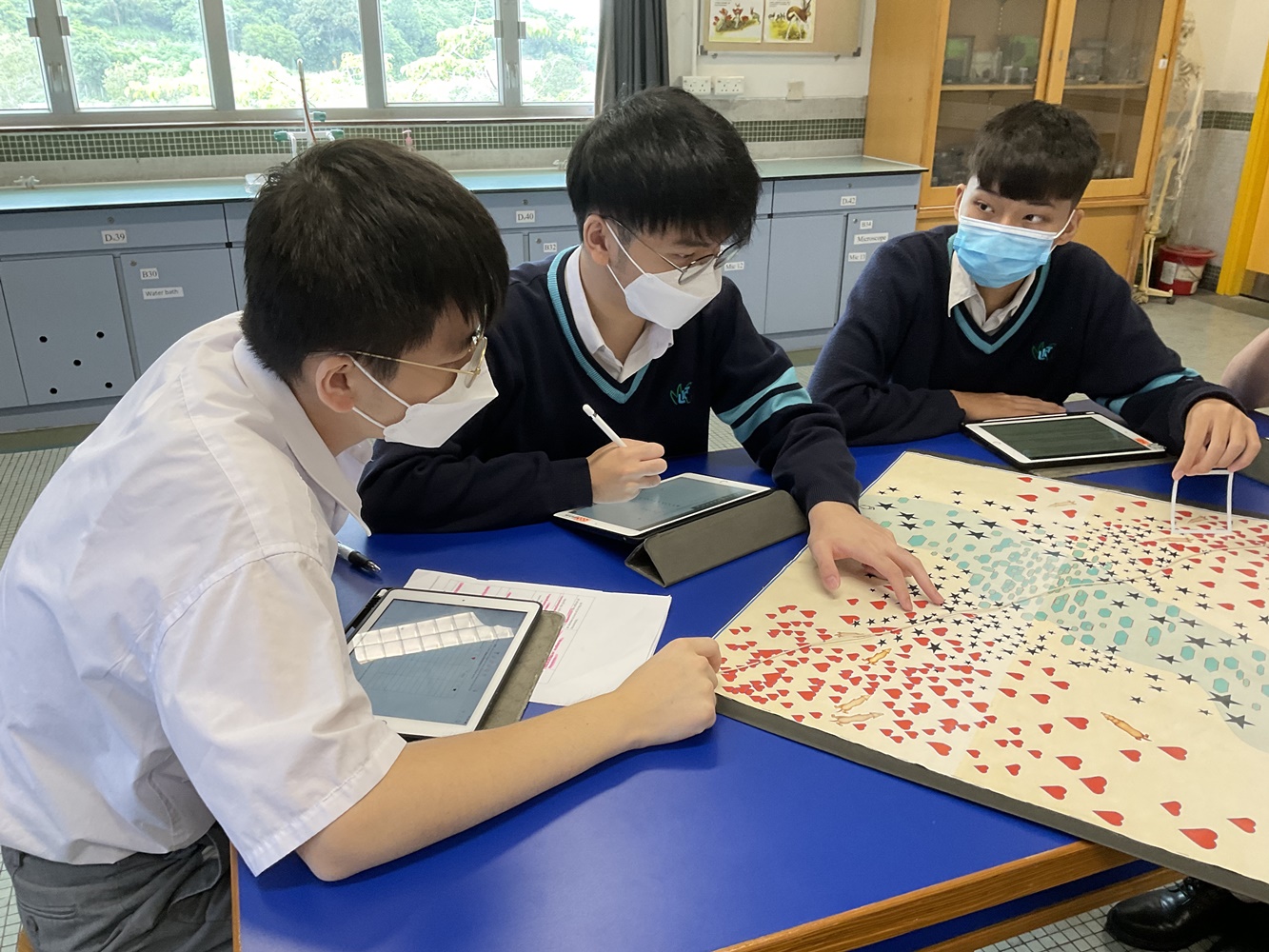
Instruction is structured around diverse methods to cultivate students' scientific literacy and analytical skills. We employ a flipped-classroom approach, hands-on investigations, and digital platforms to reinforce conceptual understanding. To cater for diverse learning needs, targeted reinforcement is provided to consolidate foundational knowledge, while high-achieving students are challenged with deeper, unfamiliar problems to train their logical thinking.
Embracing the Future with AI
Furthermore, we are committed to staying at the forefront of educational innovation by integrating Artificial Intelligence (AI) into our science curriculum. By leveraging AI-powered simulations and personalised learning tools, we empower students to visualize complex phenomena and conduct data-driven investigations. This modern approach not only enhances their digital literacy but also prepares them for future scientific discovery and problem-solving.
Experiential Activities
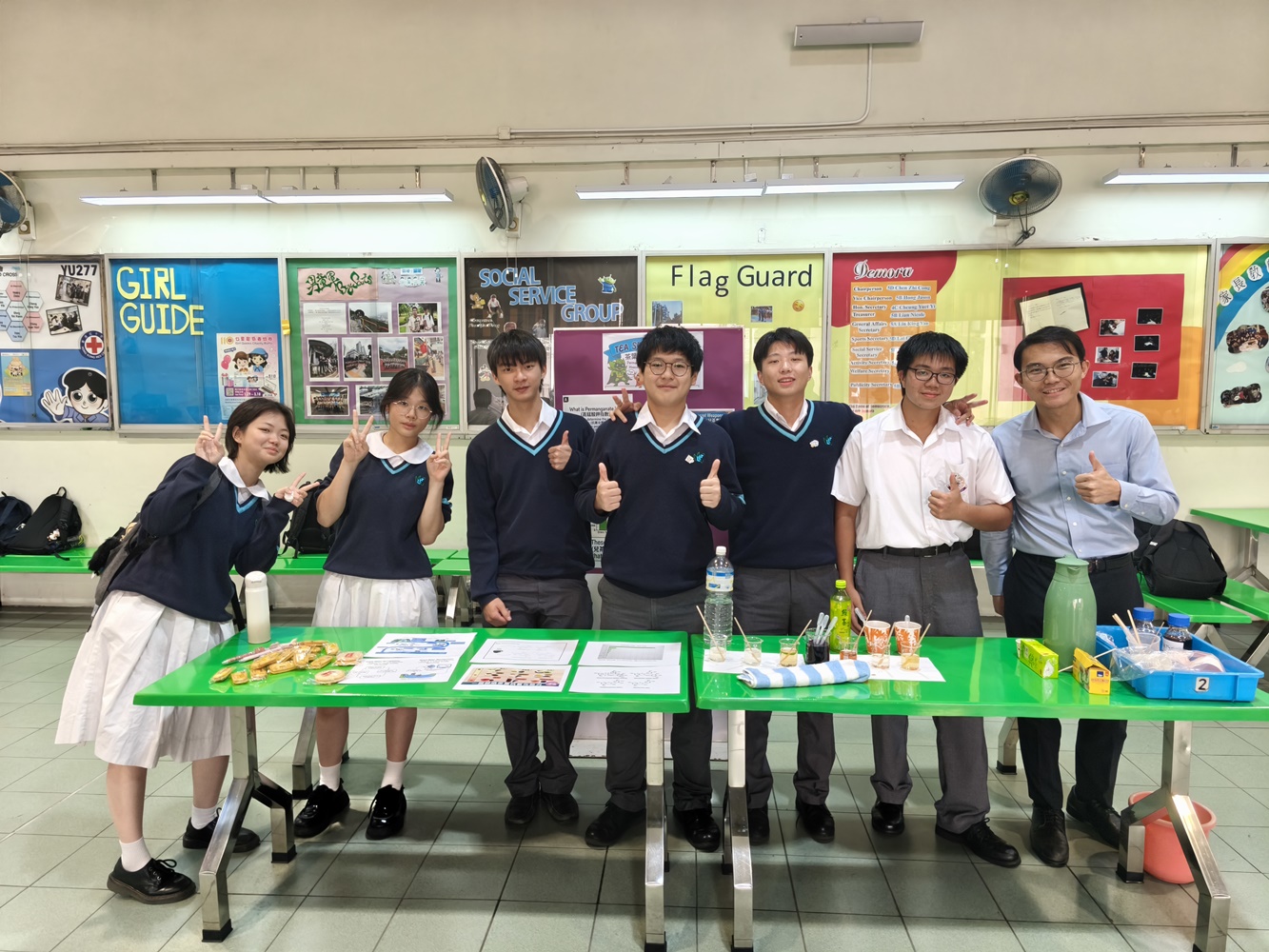
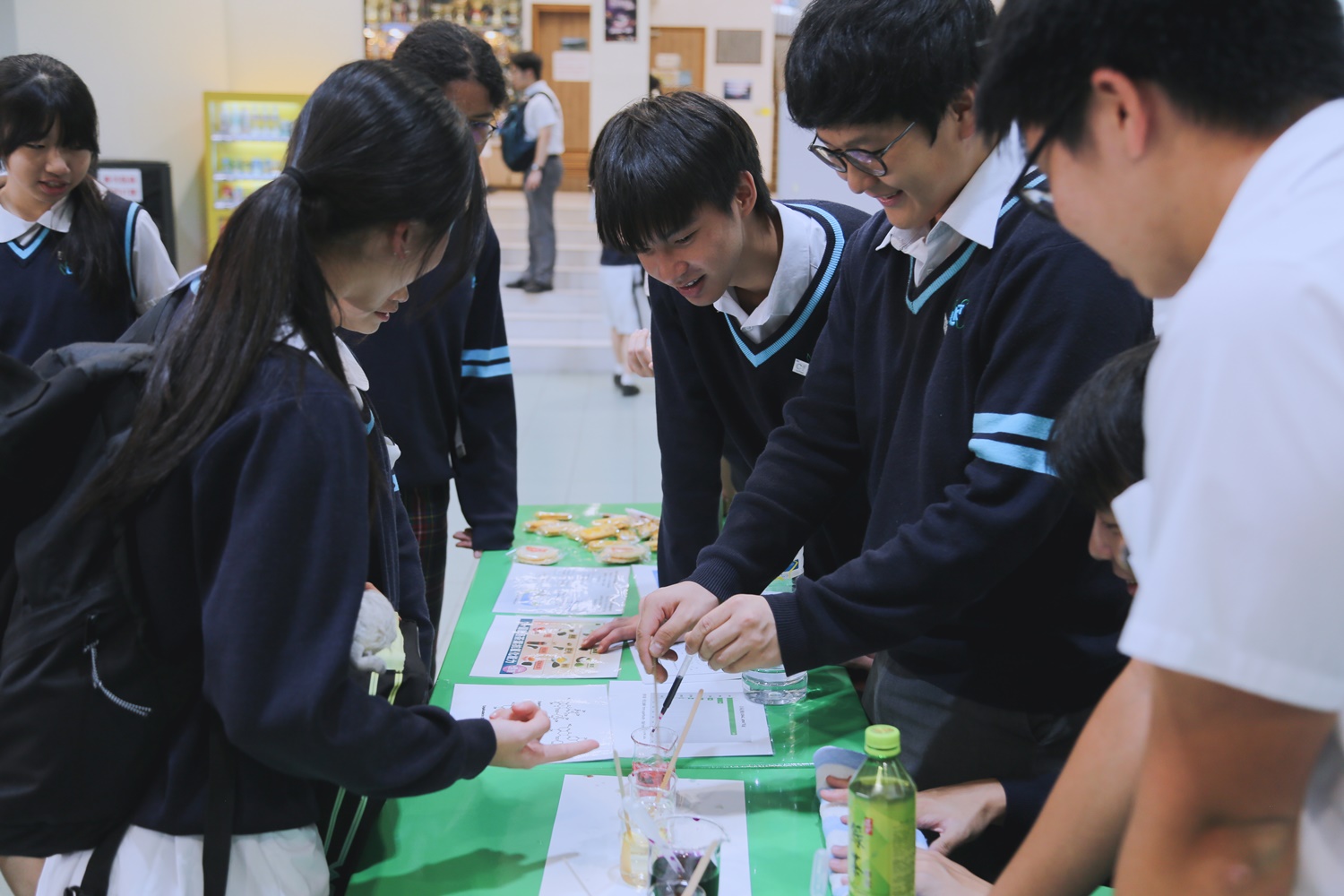
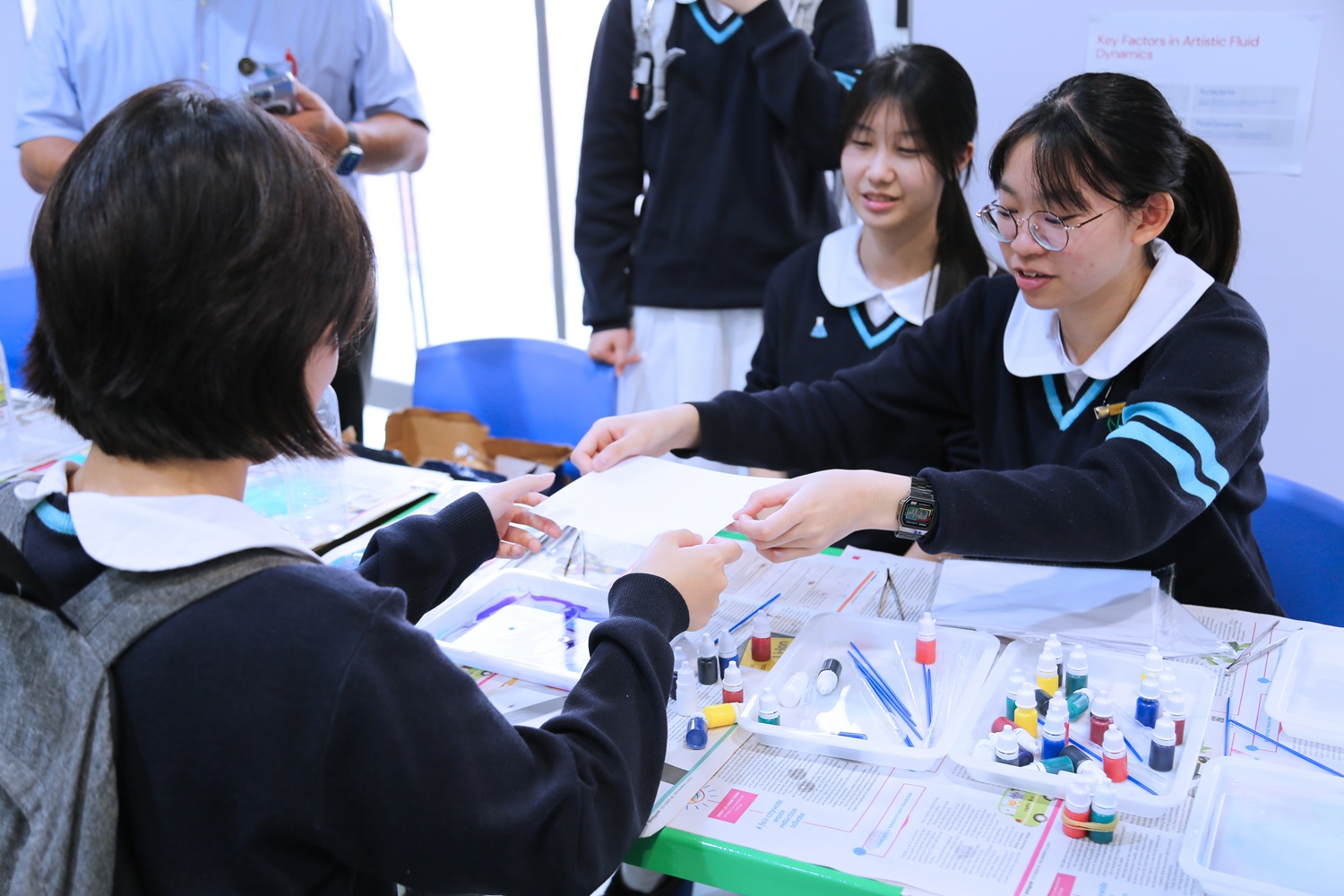
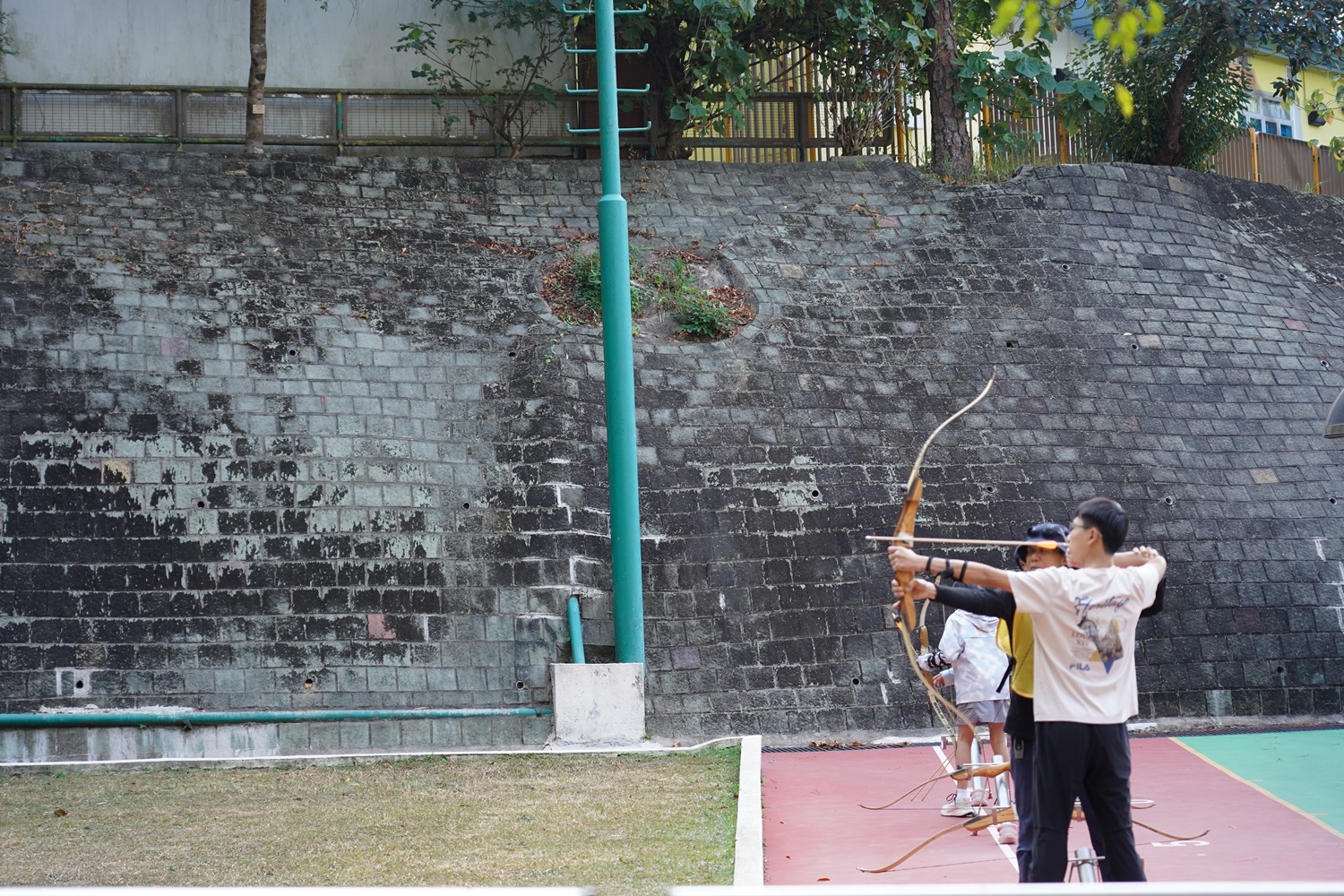
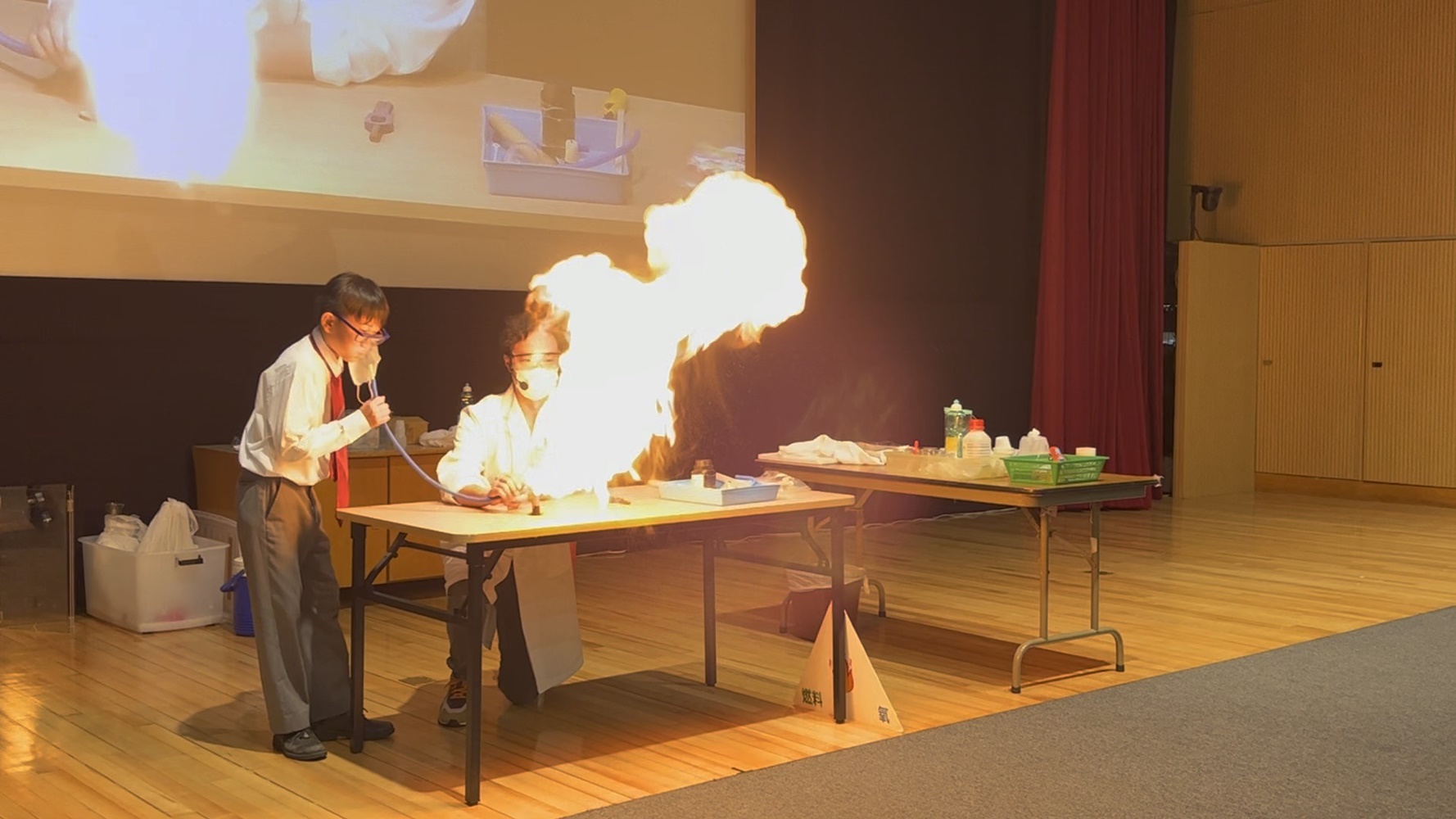
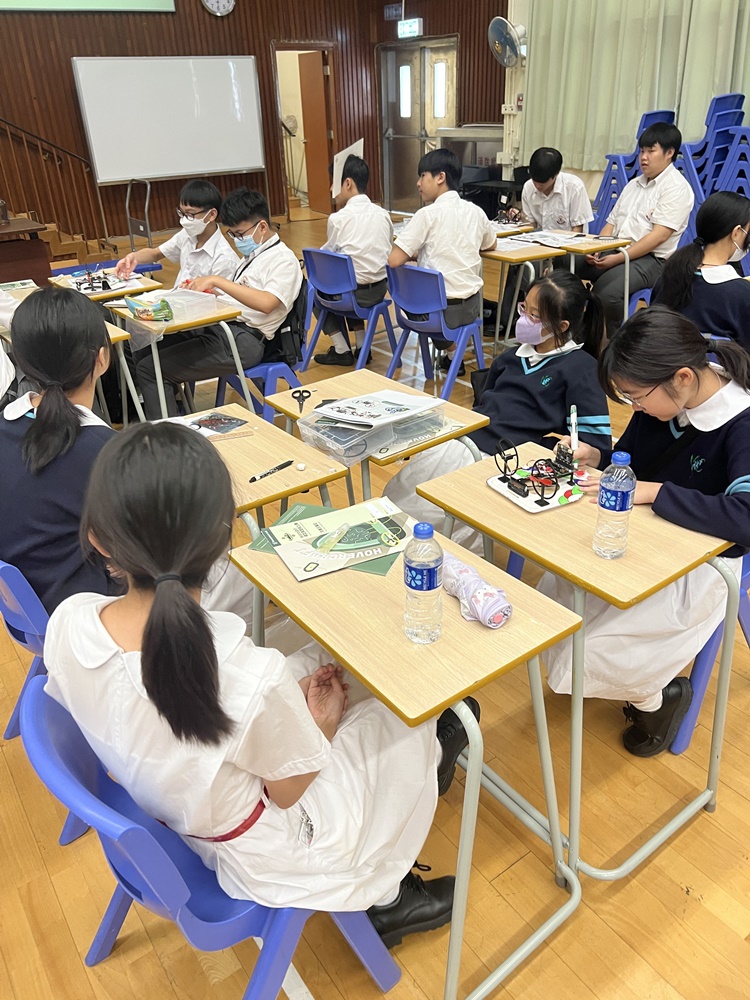
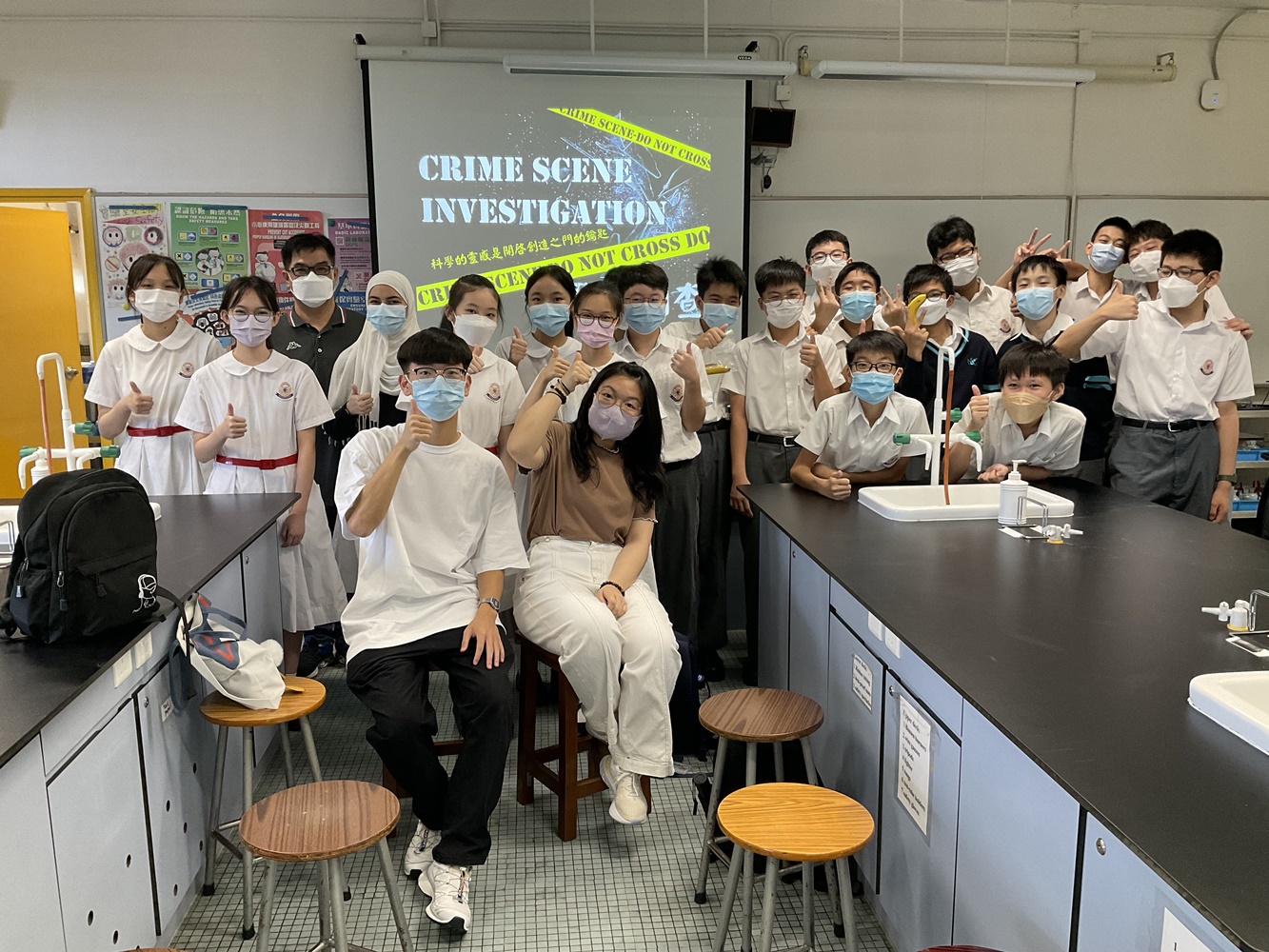
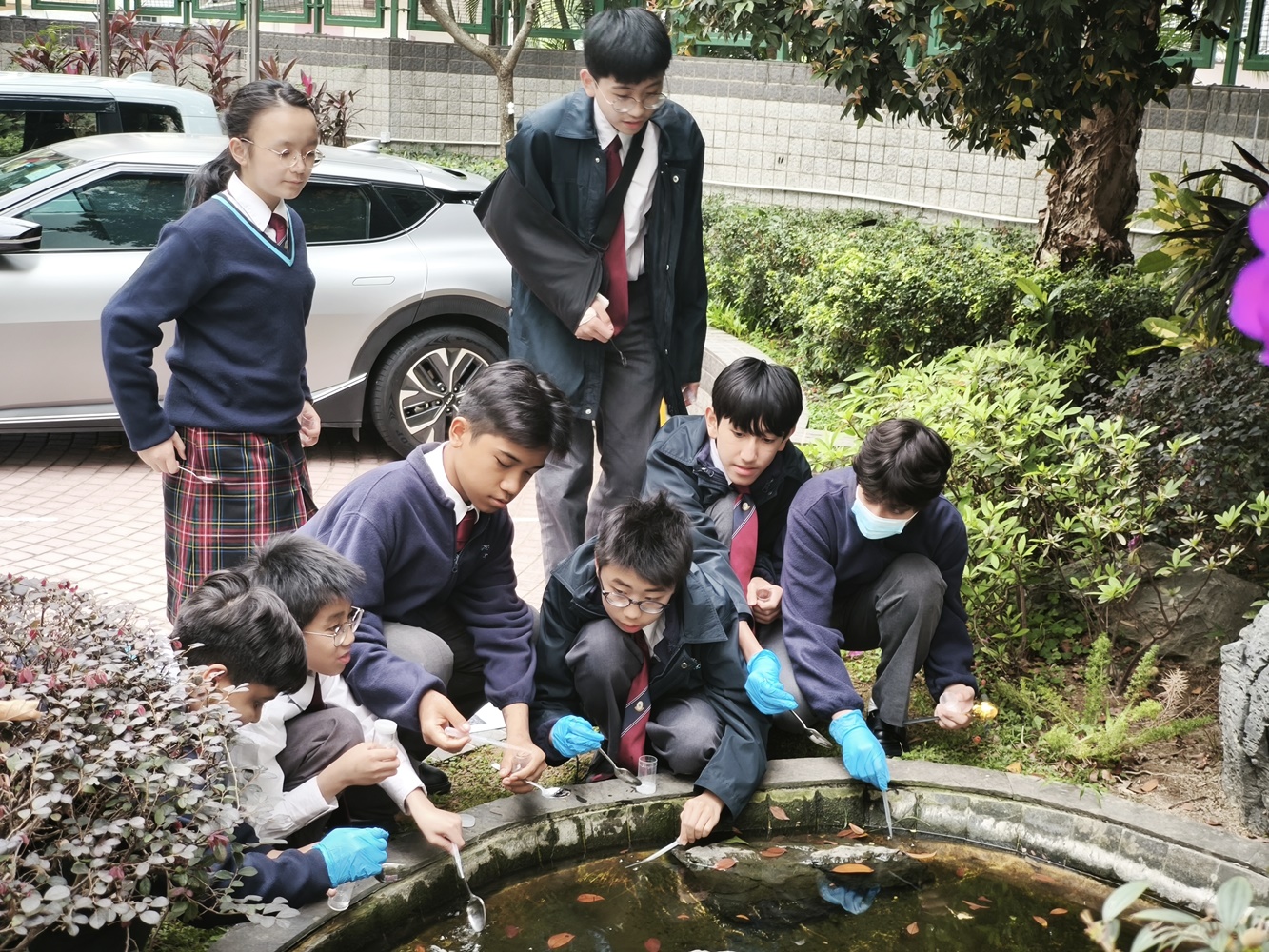
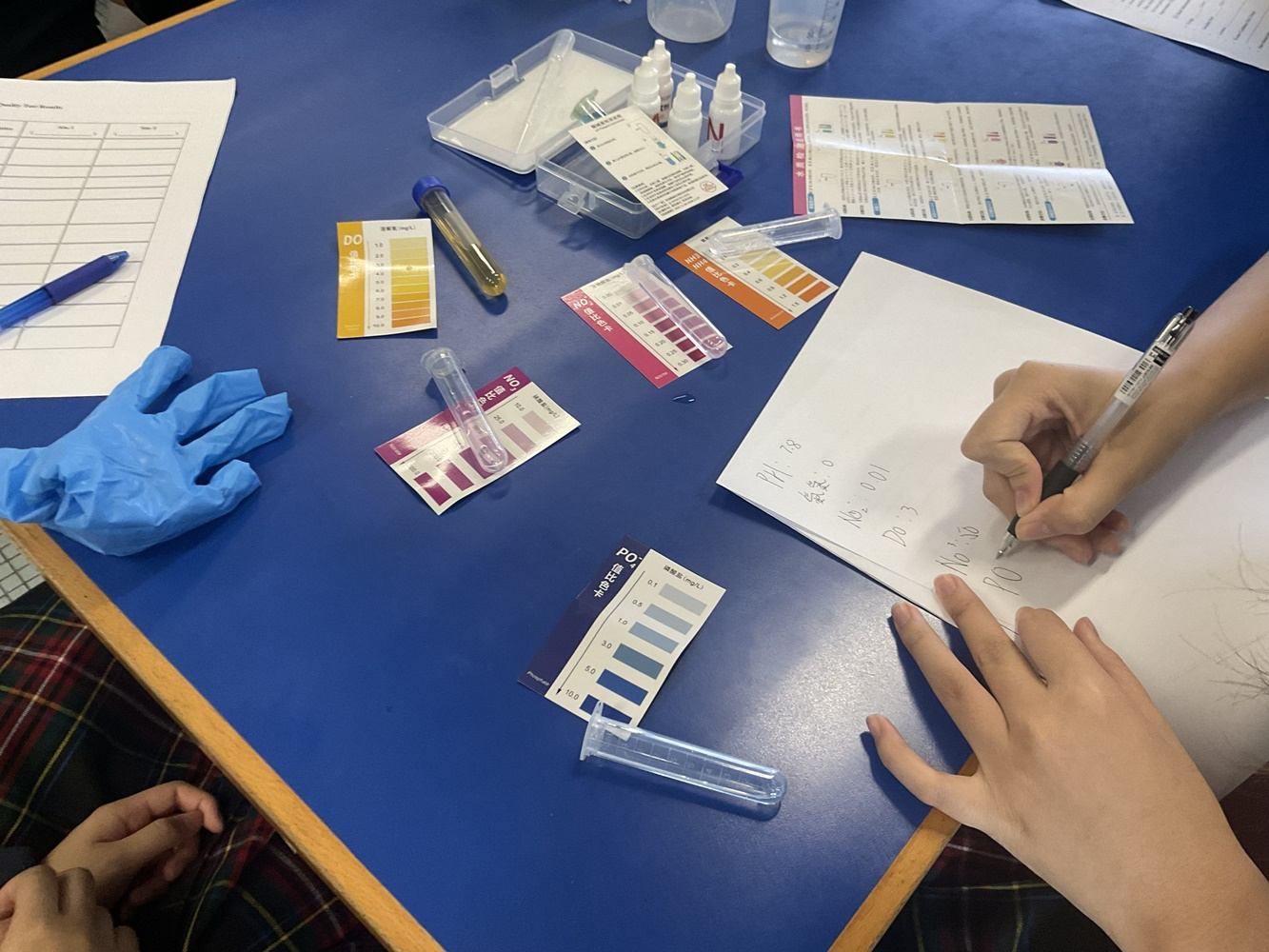
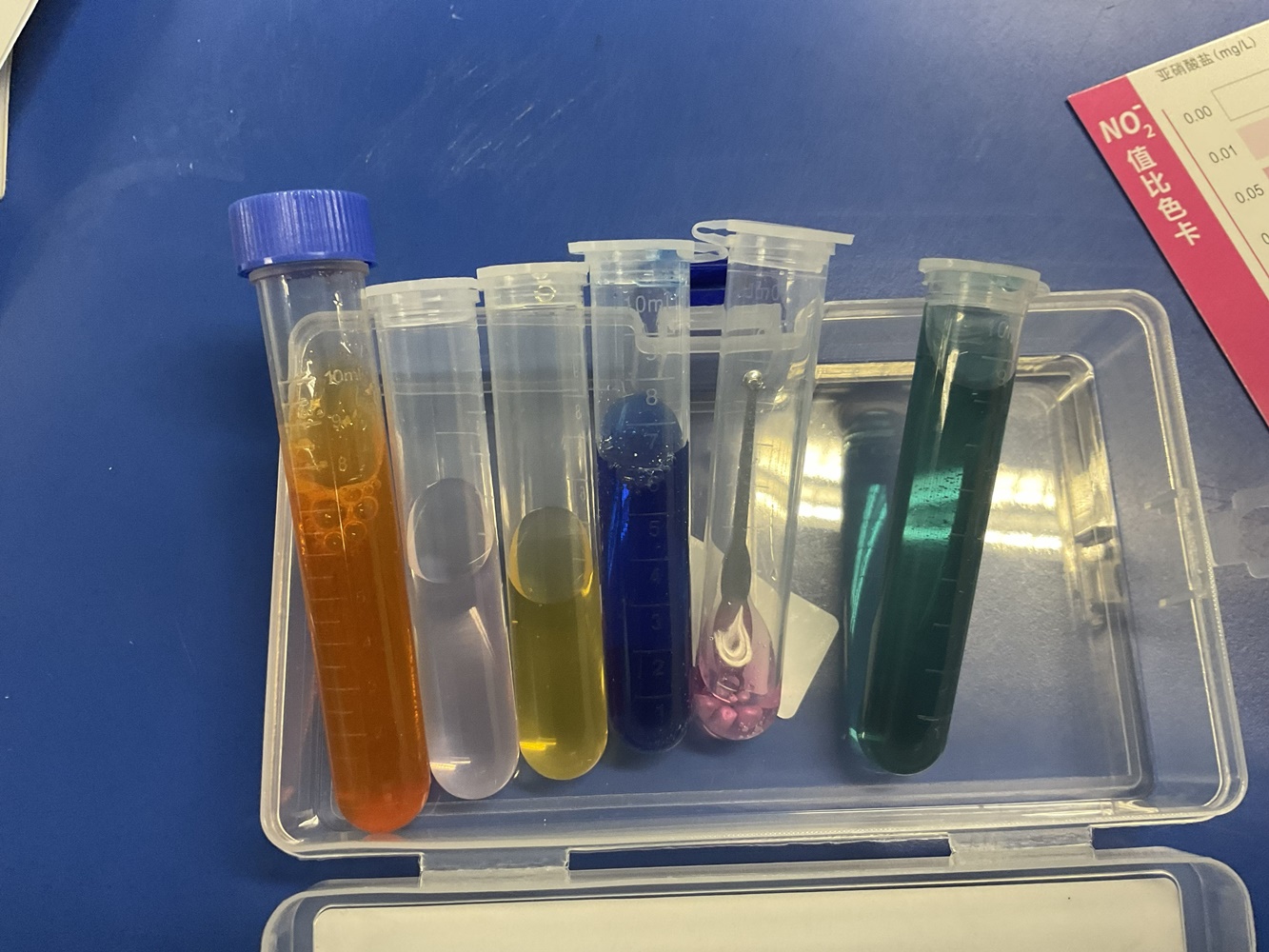
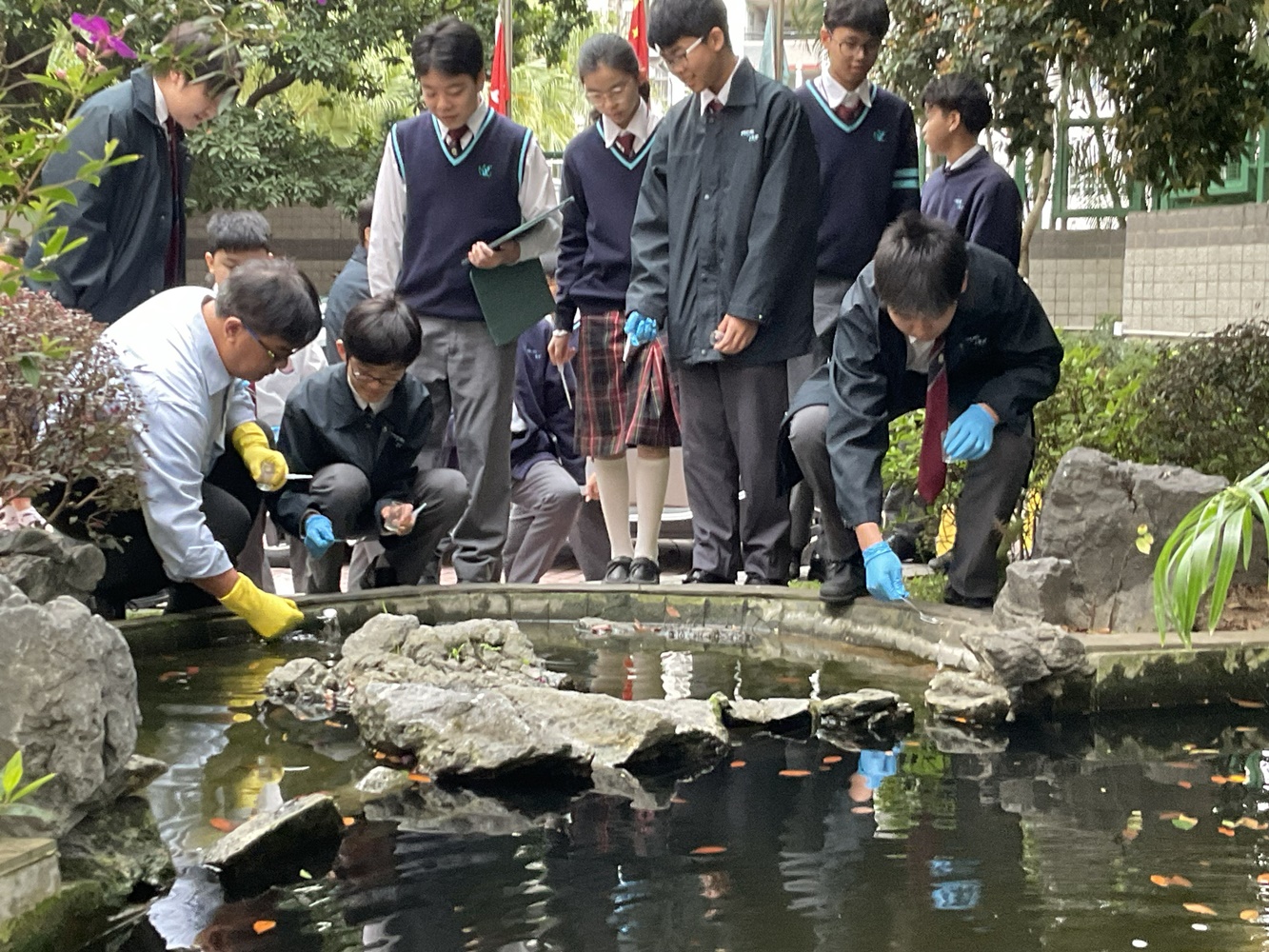
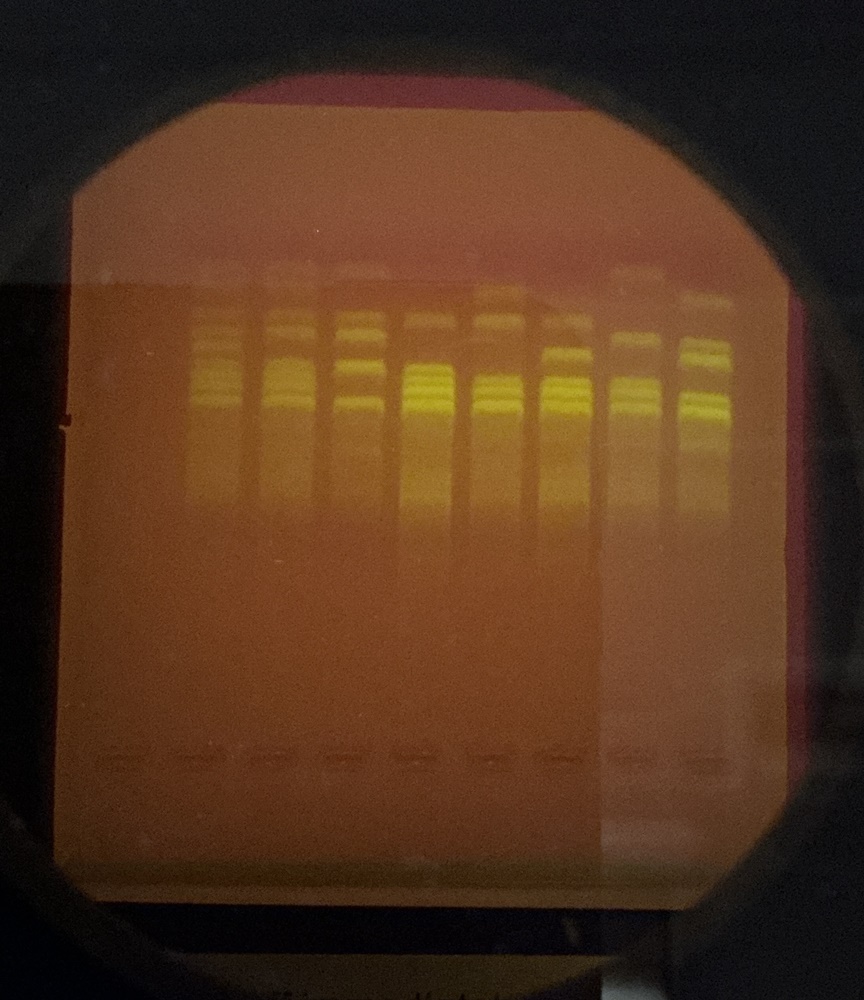
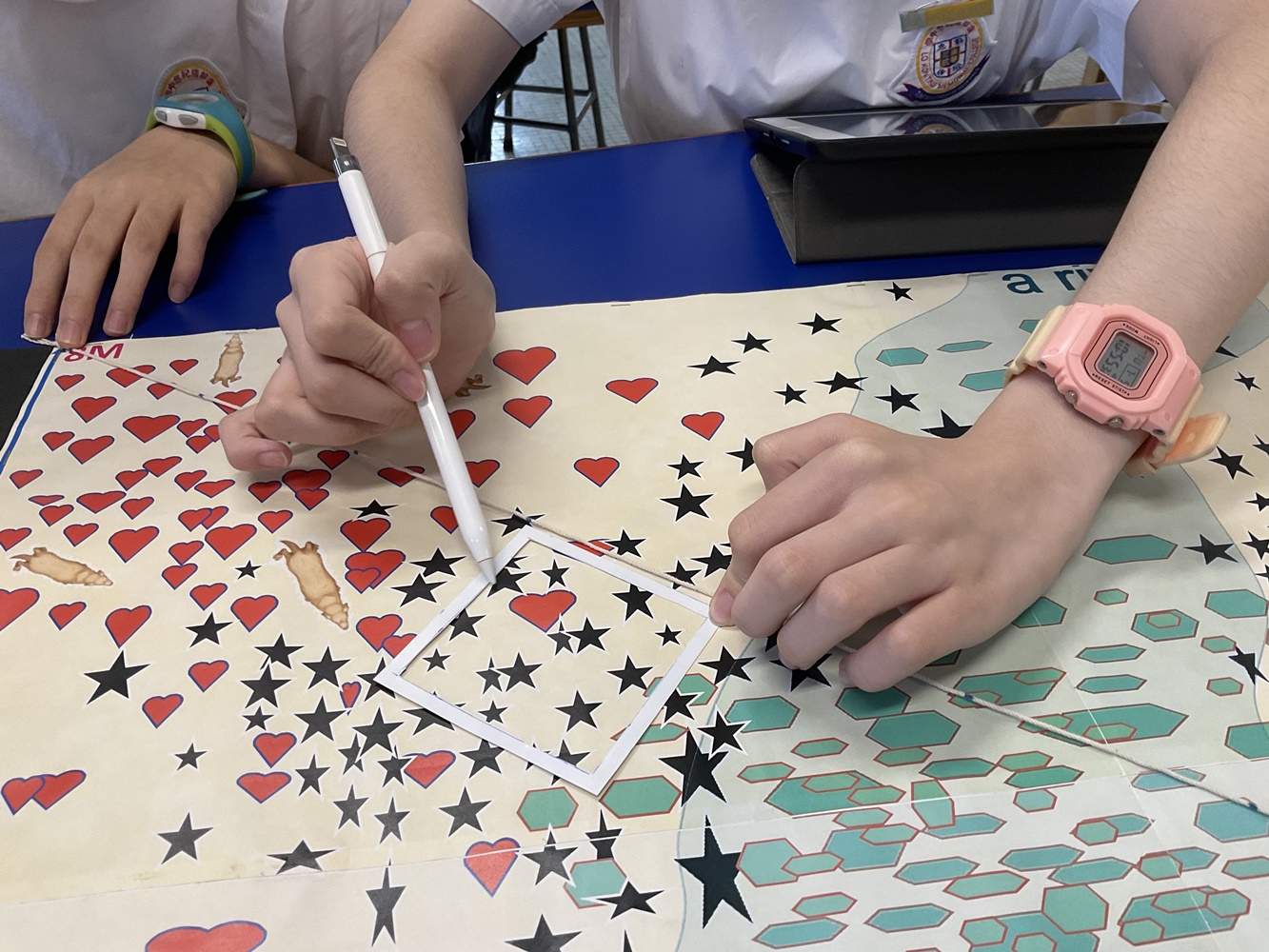
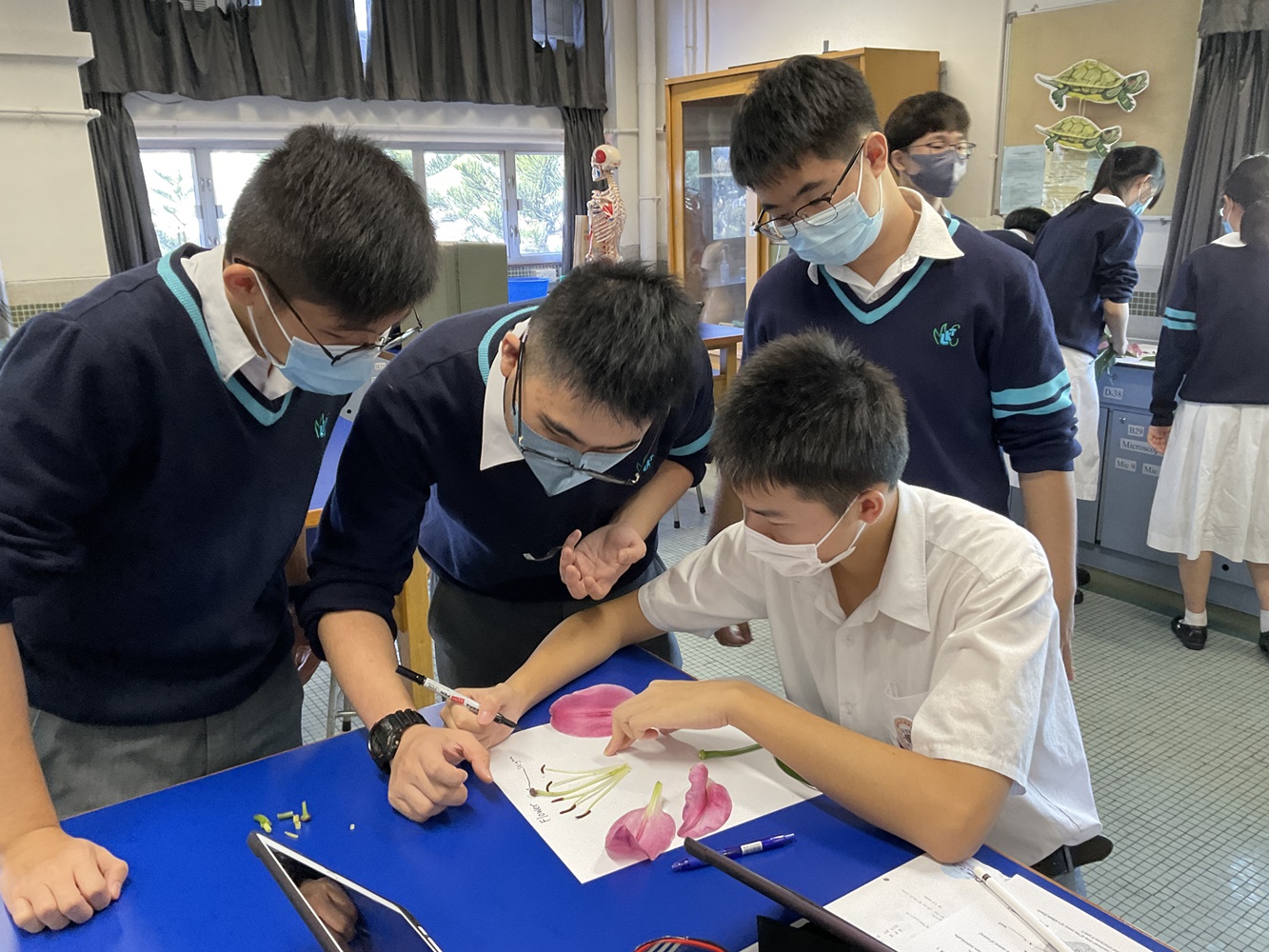
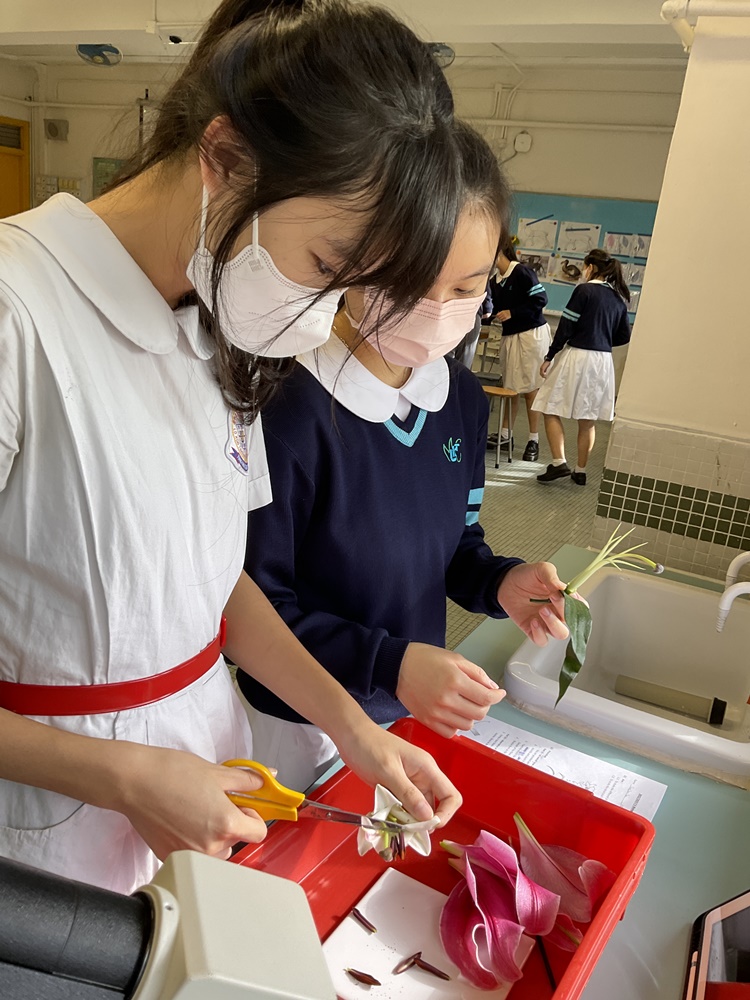
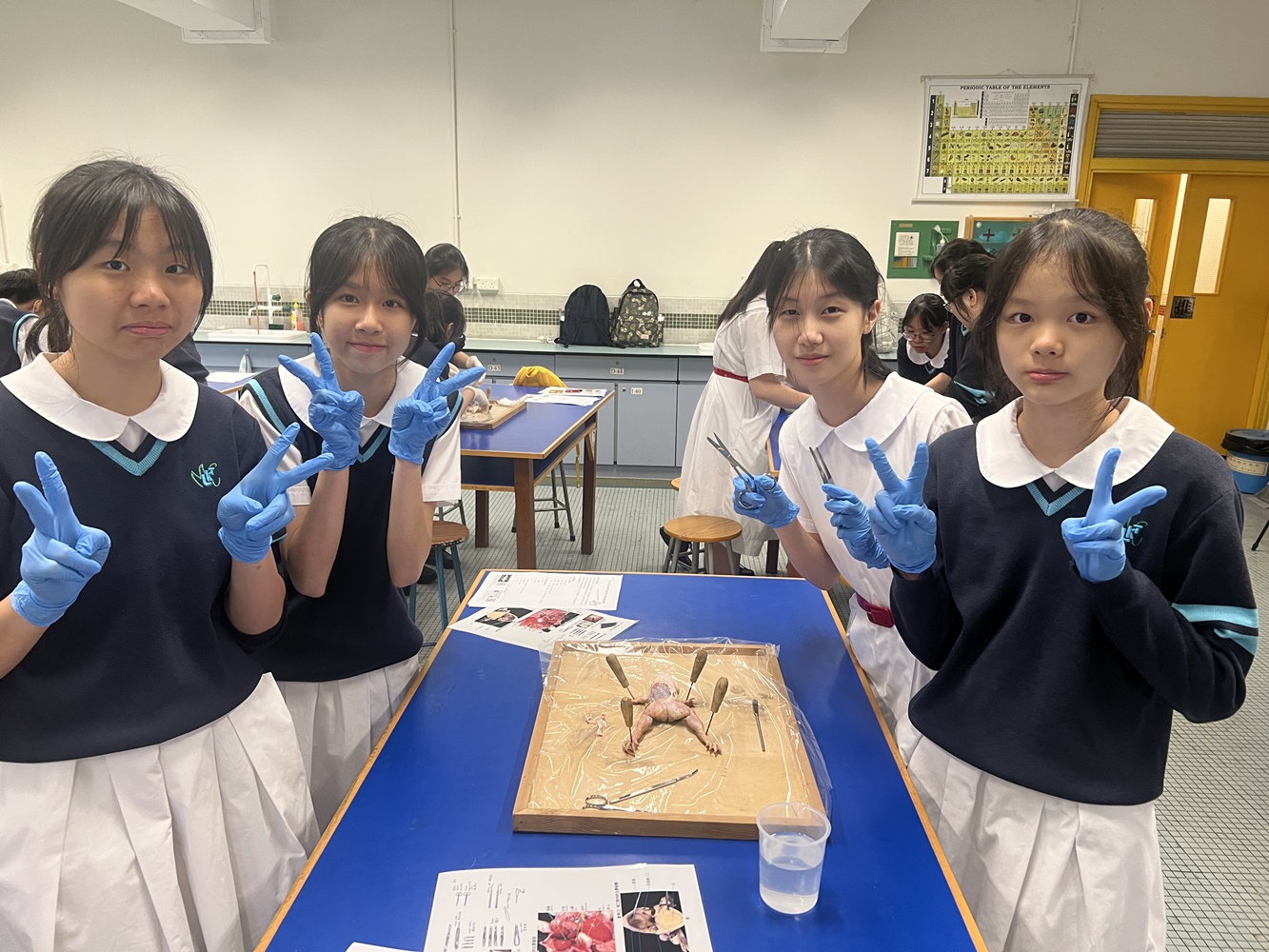
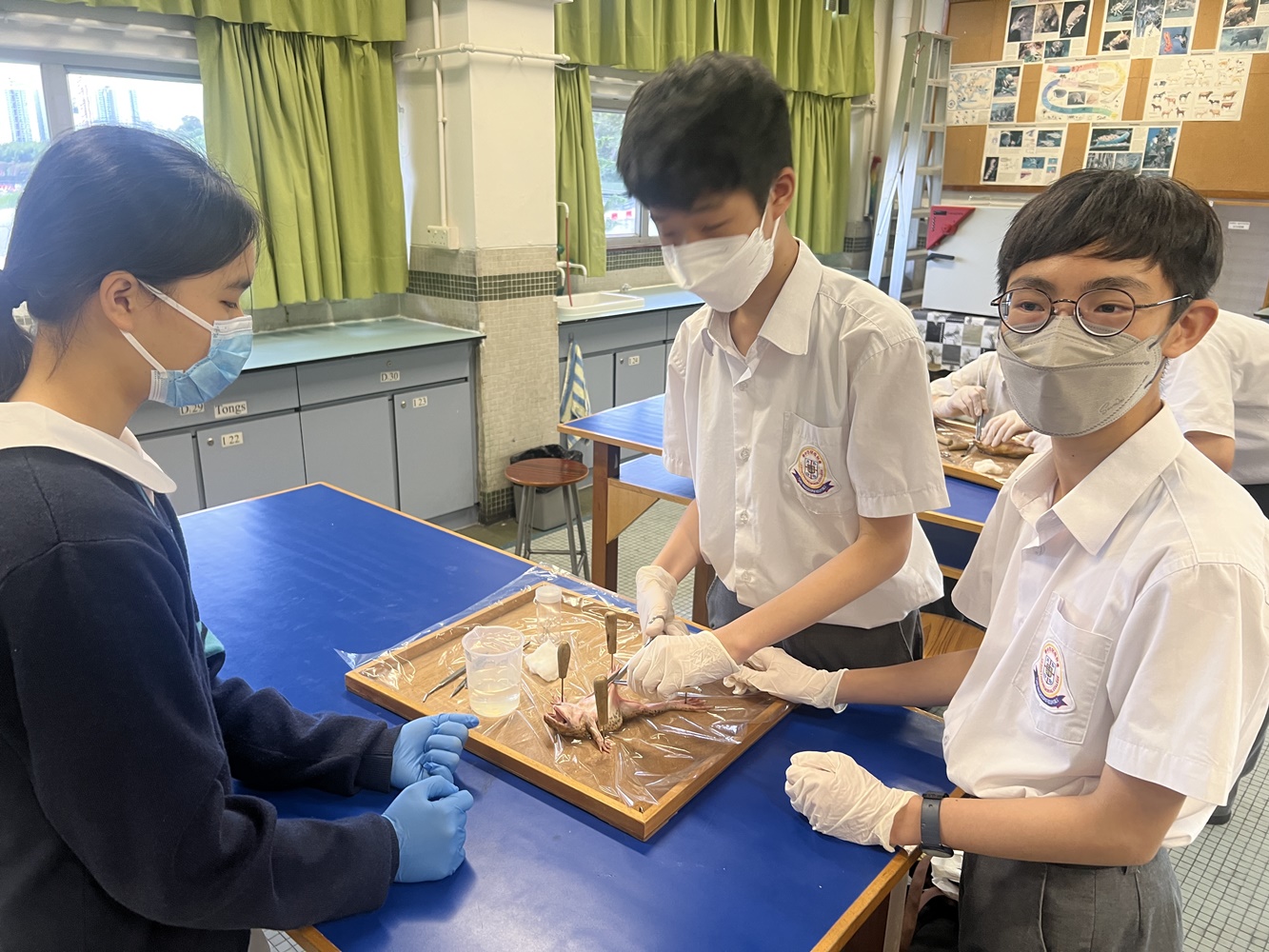
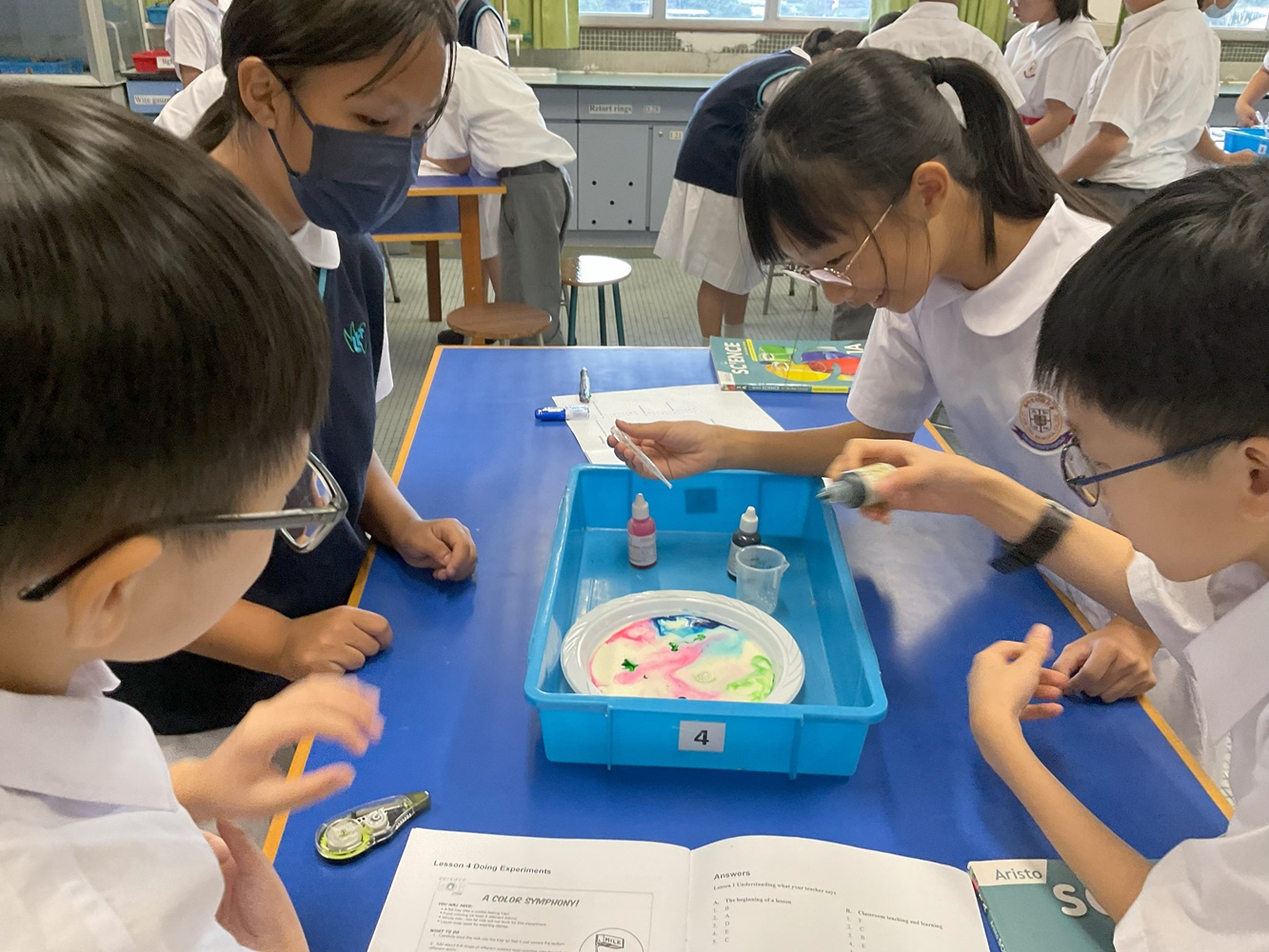
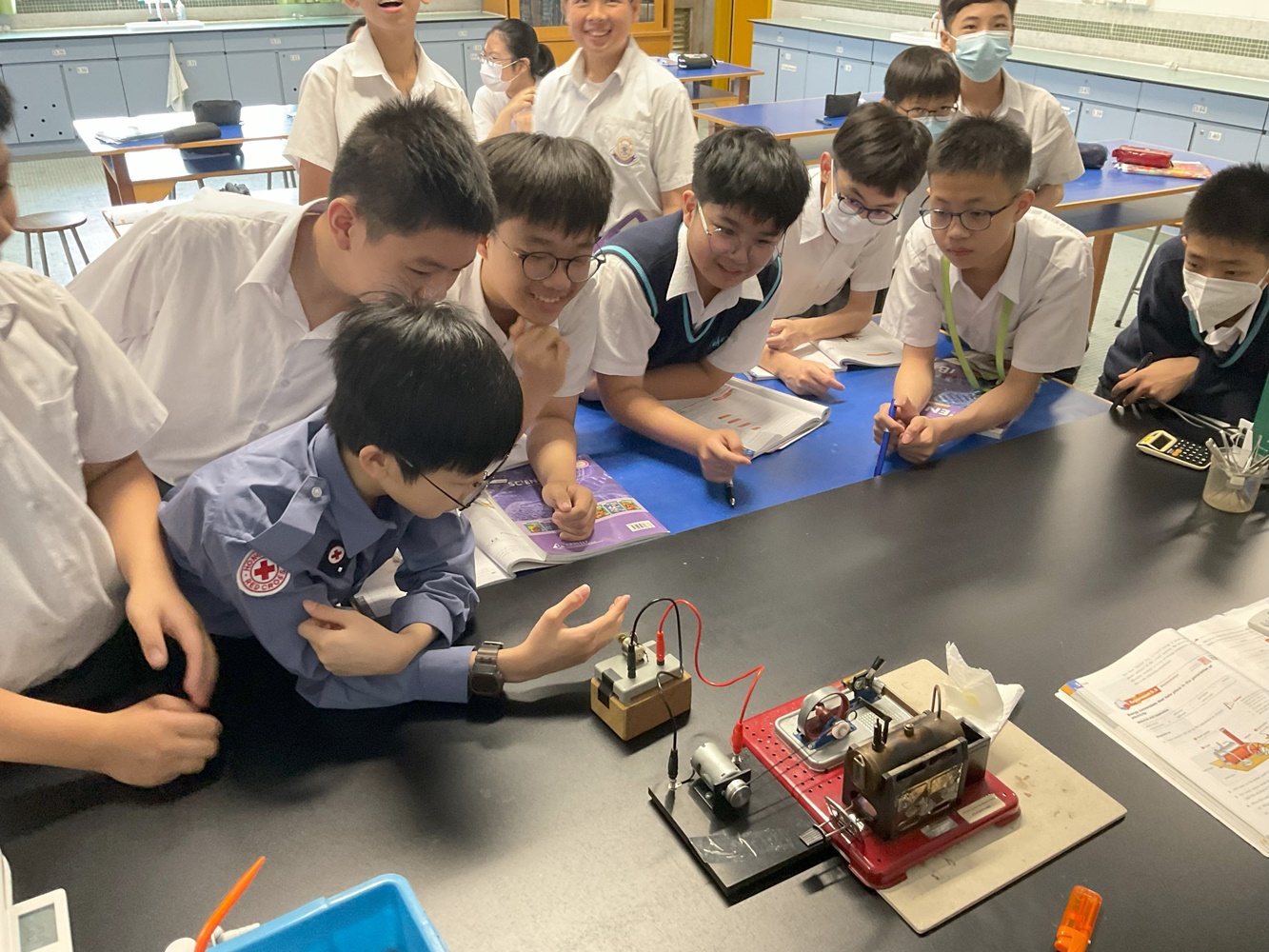
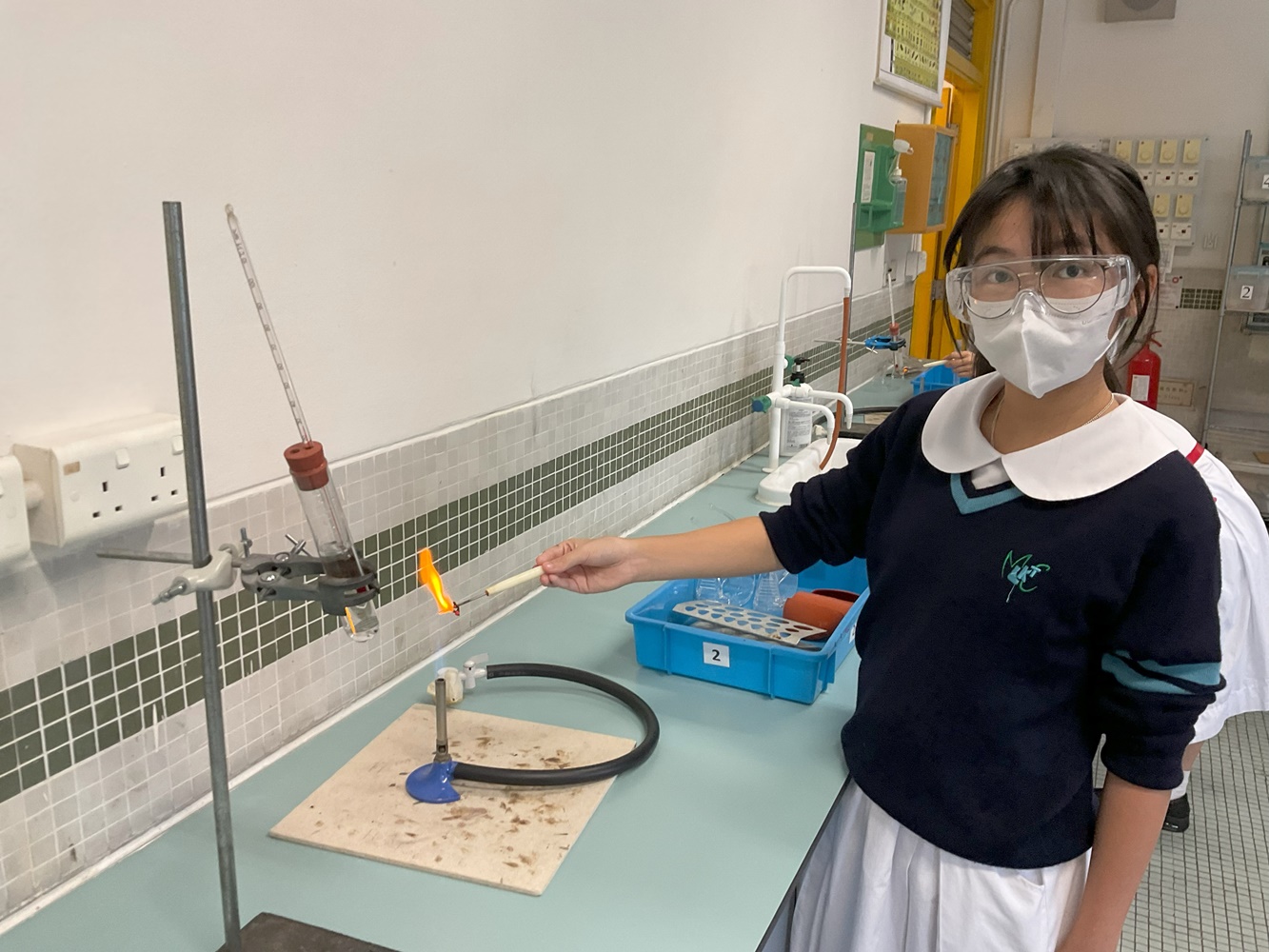
To connect science with the real world, our curriculum enhances students' motivation through a variety of experiential and tactile learning activities. These hands-on and collaborative experiences help students grasp key concepts and develop a mindset of scientific inquiry.